
A One-of-a-Kind Encyclopedia: Why Commonplace Books Still Matter

Commonplace books were once … well, commonplace.
Though the idea dates back to the ancients, the commonplace book-a personal compendium of quotes taken from books and conversations, historical events of the day, recipes, anecdotes, and much more-became popular during the Renaissance and remained so through the 19th century. Writers, statesmen, and clergy like John Locke, Montaigne, Francis Dane, and Thomas Jefferson built these collections as depots of knowledge to which they might return for inspiration. Many others kept a commonplace book for self-edification and inspiration.
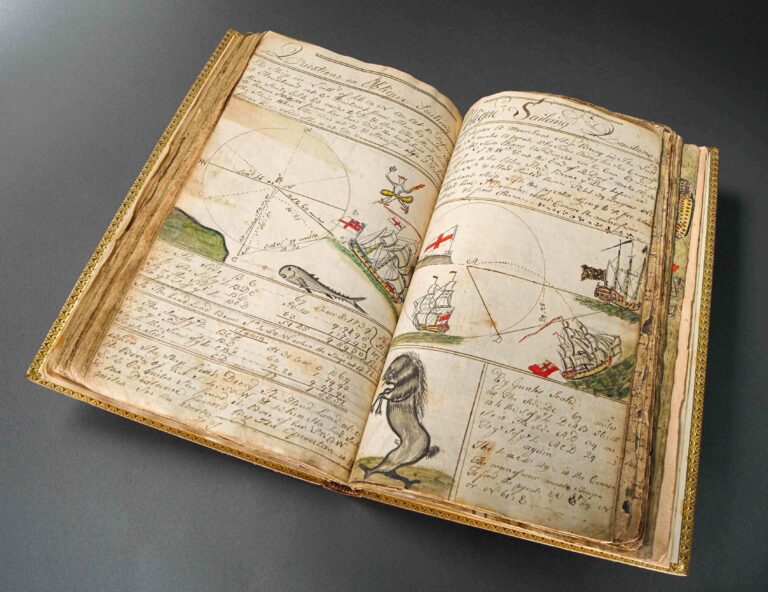
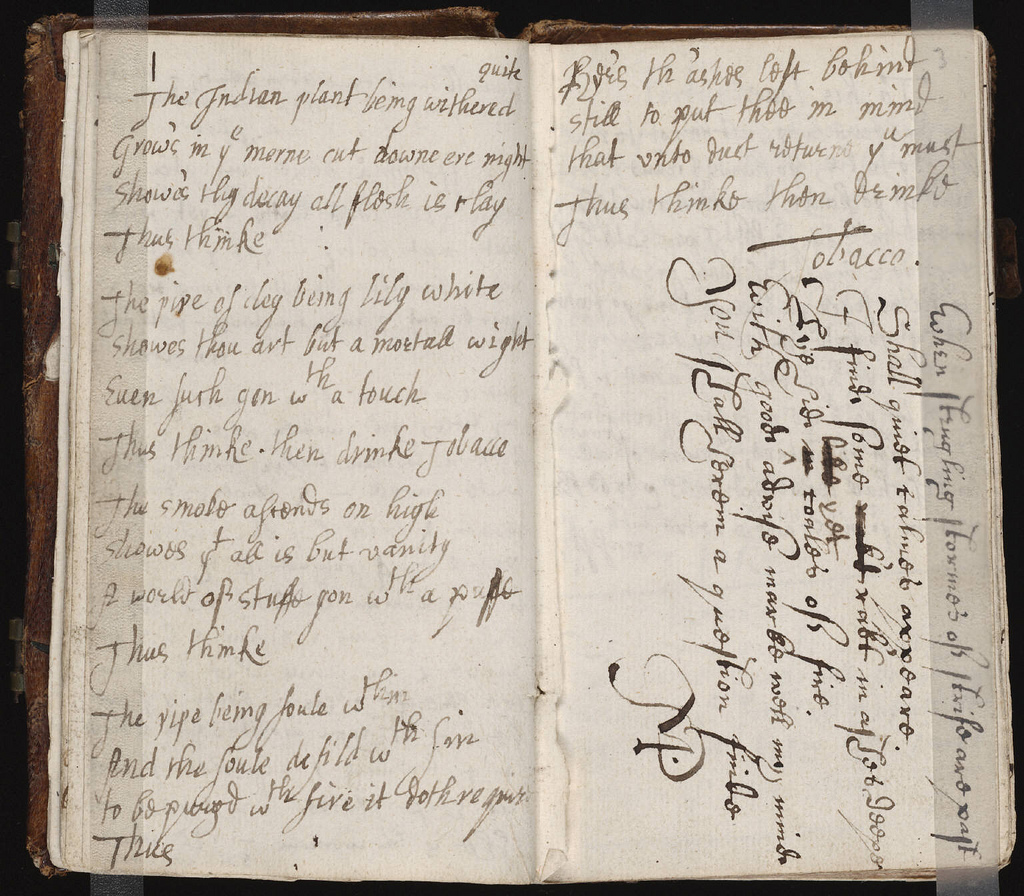
Writers and thinkers considered commonplace books as memory aids vital to their work. They were a way of keeping track of thoughts and data. Poet William Blake hit the mark when he wrote, “A book of this sort is in the nature of a supplemental memory; or a record of what occurs remarkable in every day’s reading or conversation.”
An Old Fashion Reborn
Those early keepers of commonplace books did so in part to cope with the rising tide of knowledge and data of their time. Today that tide is dwarfed when compared to the storm of print and digital information coming thick and fast at us every day.
In response to this tempest of information, the commonplace book is making a comeback. Writer and editor Brianna Schubert sums up this phenomenon: “With the abundance of information we consume every day, it’s no wonder that commonplace books are resurfacing in the zeitgeist once again, because they are a great way to sift through the noise and organize the bits of information we want to remember.”
Diligently maintained commonplace books bring other advantages as well. Over time, much as sketching improves the eye of the Sunday afternoon artist, keeping this inventory of goods taken from reading and life should strengthen our powers of observation. Revisiting and reflecting on what we’ve packed away in this storehouse of knowledge can also shape our thinking and even our moral and spiritual life.
Before creating a commonplace book, however, there are some things we need to consider. Here are some tips to help you along the way.
Pick the Tools Right for You
If you do the bulk of your reading electronically, or if your handwriting is often indecipherable, even to yourself, then almost certainly a digital commonplace book is best suited to you. You can create your own book via a simple document, or, if you’re looking for a more sophisticated setup, you can avail yourself of sites like Notion, Obsidian, or Readwise.
A keyboard offers convenience, but writing by hand offers a closer and more intimate connection to whatever it is you wish to preserve. In “How to Create a Digital Website,” Michael Barlow points out that “Some of my favorite authors warn against doing exactly what I am about to propose because with automation you skip a major element of the learning process: writing and thinking. While I don’t disagree with them, my biggest challenge is time. I’m not a professional author.”
It’s true that we retain more of what we copy by hand. Podcaster Jared Henderson, who has devoted at least two episodes to the commonplace journal, notes, “Writing by hand is linked to memory retention,” and “There’s something also really powerful just writing it down by hand.”
If you decide to take the paper-and-pen pathway, you should invest in a sturdy notebook whose size makes writing comfortable for you. And who knows? You may fill several of these notebooks, and someday someone may find your commonplace book to be an oasis of hope and inspiration.
Digital tools make it easy to organize and revisit commonplace entries, while handwriting creates a deeper connection to memory and thought. (time99lek/Getty Images)
Organization Is Key
This point can’t be stressed enough. Nearly everyone who offers advice about starting a commonplace book emphasizes the importance of some system of arrangement. Long ago, philosopher John Locke even wrote a guide on this subject, published first in French and then in 1706 in English, “New Method of Making Common-Place Books.”
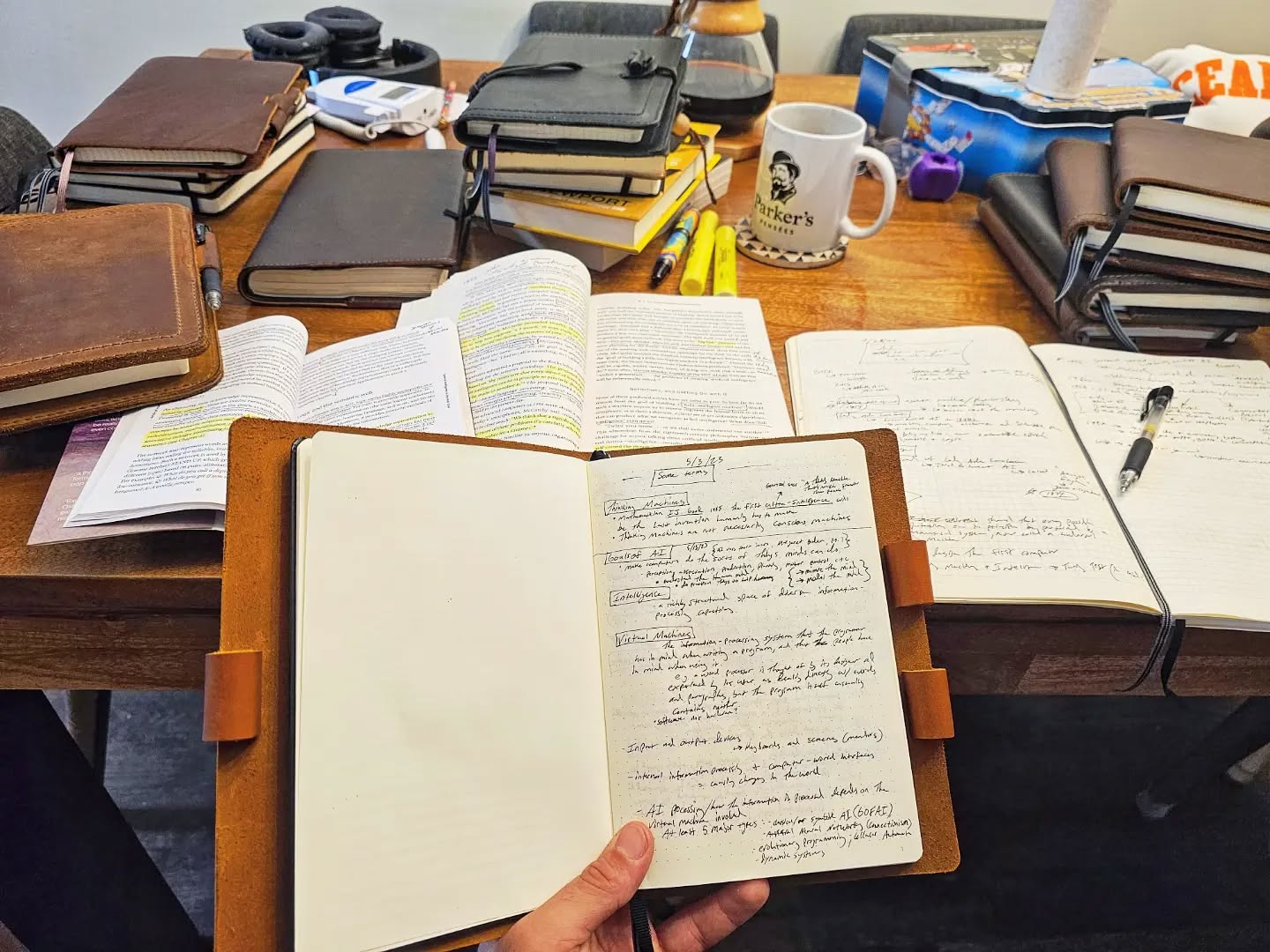
Digital programs offer this structure, but for those writing by hand in a notebook, the simplest approach is to devise a table of contents with general headings under which you will record the extracts from what you’ve read, heard, or seen, accompanied by page numbers. If you run out of space, if you fill up, for instance, a chapter devoted to the topic of courage, then you go to the unallotted pages at the back of the journal and simply start a new chapter: “Courage II.”
Note cards are also a favorite vehicle for recording quotes and thoughts. They allow the flexibility missing in a notebook; you still organize the cards by subject matter, but you can just add cards rather than running out of pages. For decades, President Ronald Reagan compiled 4″ x 6″ cards for his “favorite aphorisms, jokes, asides, and timeless nuggets of political wisdom.”
No system’s perfect for everyone, so do whatever works best for you. The aim is to be able to find what you’re looking for as your entries increase.
Reference the Entry
Make the effort to cite your source. If you’ve typed or written down Winston Churchill’s “It is a good thing for an uneducated man to read books of quotations,” put the book’s title and page number under the quote. If a friend opens the door to a café for a woman holding two small children by the hand and says to her, “You go ahead. You’re holding the future,” write down when and where that took place.
You’ll save yourself a lot of headaches if you cite references.
Revisit Your Commonplace Book Frequently
Your collection isn’t a storage attic. It’s a working tool for contemplation, inspiration, and retrieving memories. Keep the book handy for adding to the inventory and for reflection. What you’ve written may offer just the words you need at a particular moment.
A Special Note for Teachers
Having students keep commonplace books can help them develop their writing abilities-presumably they’ll be copying out passages from good books of literature and history. By copying out quotations they like, they are in a sense teaching themselves. They’re also practicing their handwriting, and the material they’re collecting can give them food for thought in their own essays as well.
It’s All Yours
Victorian minister, author, and poet Charles Kingsley wrote, “Keep a commonplace book, and put into it, not only facts and thoughts, but observations on form, and colour, and nature, and little sketches, even to the form of beautiful leaves.”
How and why and when you put together and keep a commonplace book depends on your own intentions and whims. As it grows, like a scrapbook, it becomes a mirror of sorts, reflecting your past in the ideas, words, and images that have appealed to you over time.
When used at its best, it’s not commonplace at all. It’s a book of love, a monument built of things you treasured.
–Jeff Minick | The Epoch Times News Service
Last image: Park Setcase. Host of the Parker’s Pensées Podcast