
Churches Across America Pay Off Millions in Medical Debt
Millions of Americans have some form of medical debt, according to the National Institutes of Health. Even as the economy improves are carrying over debt from the last five years.
-
- One in six people carry medical debt; just less than half say it’s difficult to afford proper health care; and 36 percent say they have skipped or postponed getting health care they needed because of costs.
- Twenty percent say they have not filled a prescription because of the cost.
- In 2022, 40 percent reported debt because of mental or dental bills, and this number is rising.
In 2025, after returning to office, Trump signed several executive orders on healthcare price transparency. A February order empowered patients with clear pricing information to shop for lower-cost care. He has also spoken about broader reforms, such as redirecting subsidies directly to individuals instead of insurers to help with out-of-pocket costs,. He has also negotiated lower drug prices from pharmacy companies.
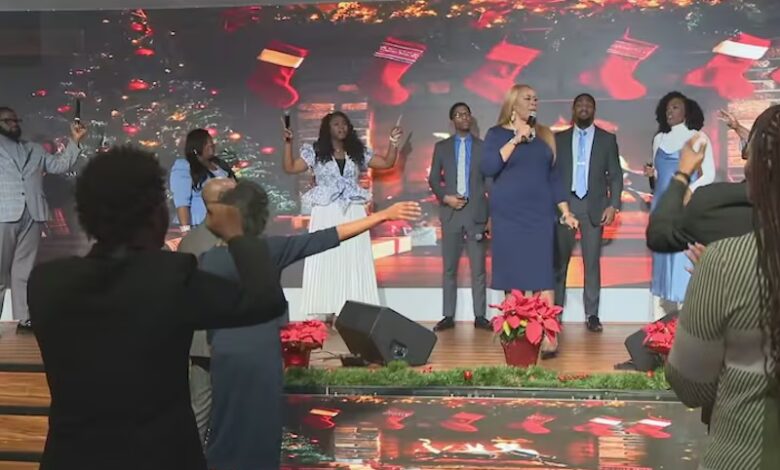
Amid this good news, churches across the nation continue stepping up to provide practical help. For example, Spirit and Truth Church in Atlanta has cleared more than $1.5 million in medical debt for those struggling in the community.
“Medical debt should never determine a family’s future or rob individuals of dignity and peace,” the Rev. Mark Moore Jr. told Christian Daily. “This Christmas, Spirit and Truth Church chose to respond with faith in action — lifting a burden that no one should have to carry alone.”
In addition, St. Andrew’s Episcopal Church in Omaha, Trinity Moravian Church in North Carolina and St. Andrew’s Parish in Saratoga, Calif., are just a few examples, each raising thousands to millions of dollars spanning numerous counties.
Beyond raising funds, churches such as these have partnered with nonprofits such as RIP Medical Debt and Undue Medical Debt. These organizations and partnerships make it easy for churches to use donor funds to purchase medical bills from hospitals and collectors, and then forgive them for people in hardship. As a result, millions are erased through collective giving.
Not only are many churches partnering with organizations such as these, but they are emphasizing community, dignity and anonymity. Medical debt relief empowers the church to reclaim its role in practical compassion and living faith out in action.
–Alan Goforth