
Faith-Based Groups Now Eligible for Federal Addiction Funding
Faith-based organizations that meet evidence-based addiction recovery standards will now be able to access federal funding under the Trump administration’s new policy for tackling drug addiction and homelessness nationwide.
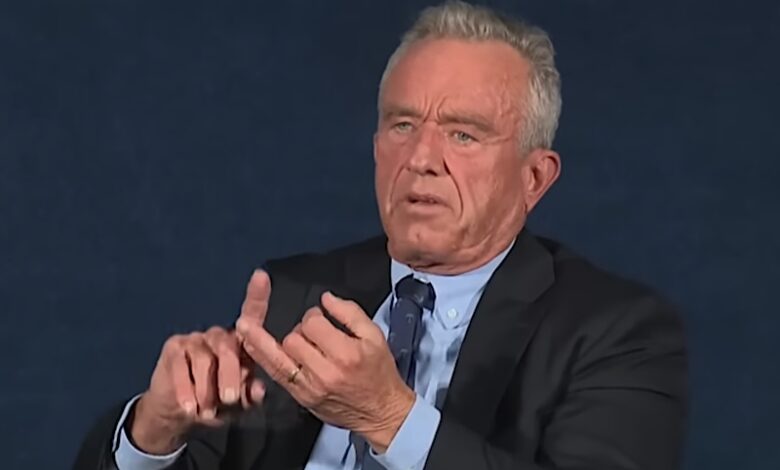
“We are bringing faith-based providers fully into this work,” said Robert F. Kennedy Jr., secretary of Health and Human Services. “This is a chronic disease. It’s a physical disease. It’s a mental disease, it’s an emotional disease. But above all, it’s a spiritual disease. And we need to recognize that. And faith-based organizations play a critical role in helping people reestablish their connections to community.”
For Kennedy, it’s personal. He highlighted how addiction has impacted his family, including his recovery from heroin addiction when he was just a teenager. He contends the United States is spending estimated $93 billion each year treating substance abuse. Experts say the total cost of addiction on the U.S. economy and collateral costs is $920 billion.
“I myself spent 14 years beginning in my early teens as a heroin addict,” he said. “I found my way into recovery. My little brother, David, two of my nieces and many other family members are among the casualties in the m\national epidemic of addiction and overdose. So, I’m very much aware of the dimensions of the disaster of this national crisis.”
A key part of the government’s new strategy in fighting addiction is a new $100 million program called STREETS, or Safety Through Recovery, Engagement and Evidence-based Treatment and Supports. The new program will focus on targeted outreach, psychiatric care, medical stabilization and crisis intervention, while connecting Americans experiencing homelessness and addiction to stable housing that sets them up for long-term recovery and independence.
Tom De Vries, president of Citygate Network, a Colorado-based association of 330 Christian rescue missions and ministries, told “The New York Times” that his members had relied on philanthropic money for years and now are processing how government funding could change their ministry.
“The government has reached out to us and invited us into the process more than we had been previously,” he said. “New ministries look at this and say, `this may be able to open the door for us to serve in ways we have not been able to.’”
–Alan Goforth with the ChristianPost