
Former Missouri Rep. Vicky Hartzler praises new legislation focusing on freedom of religion
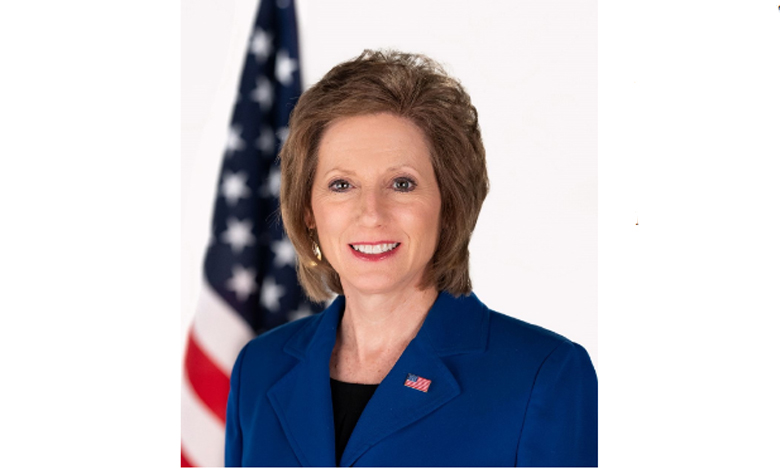
Vicky Hartzler, chair of the U.S. Commission on International Religious Freedom (USCIRF), commends the introduction of a House bill that would advance freedom of religion or belief as a human right and its centrality to a robust foreign policy.
“I am so encouraged that Rep. French Hill and Rep. James McGovern introduced H.R. 738,” said Hartzler, a former congresswoman from Missouri. “It shows how leaders continue to work together across the aisle to advance religious freedom abroad.”
The International Religious Freedom Act of 1998 as amended mandates the commission to recommend that the secretary of state make country of particular concern designations for particularly severe violations of religious freedom that are ongoing, systematic and egregious. USCIRF recommends special watch list designations for countries in which it finds two of those criteria are met but not necessarily all three.
“Focusing on those countries USCIRF has recommended for the special watch list is needed and timely,” Hartzler said. “These governments, which actively engage with the U.S. government, are violating the religious freedom of their citizens. Now is the time for these governments to take needed steps to reverse course and embrace religious freedom, which is not just the right thing to do according to international standards but which also promotes economic prosperity and security for their countries.”
READ: Michigan Church Shooting Kills 4, Injures 8; Suspect Dead
In its 2025 annual report, the commission called for 12 countries to be designated for the special watch list. No designations were made during the last year of the Biden administration, and Secretary of State Marco Rubio has yet to make the designations for the Trump administration.
The commission is an independent, bipartisan legislative branch agency established by Congress to monitor, analyze and report on religious freedom abroad. It makes foreign policy recommendations to the president, secretary of state and Congress intended to deter religious persecution and promote freedom of religion and belief.