

Influential Baptist minister, civil rights leader John Perkins dies
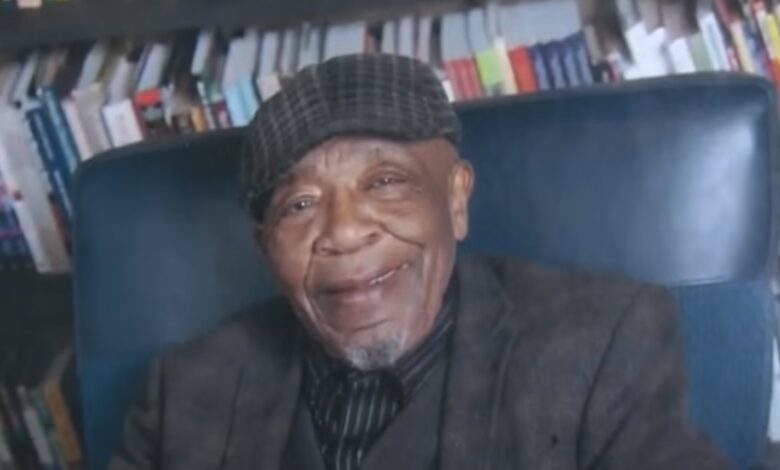
John Perkins, an influential Baptist minister and advocate of racial reconciliation, died on March 13 at age 95.
“To the world, he was Dr. John M. Perkins, a voice for justice, reconciliation and the gospel of Jesus Christ,” his daughter, Elizabeth, wrote on social media. “He received 19 honorary doctorate degrees, but most importantly, he was the devoted husband of his bride, Vera Mae Perkins, for 74 years, and together they were blessed with eight children.”
Perkins was known for his dedication to a collaborative approach to ministry.
“John Perkins is probably one of the true unsung heroes in America — not in black America, not in the church community, but in America,” said the Rev. Barbara Williams-Skinner, co-founder of the Skinner Leadership Institute, “He’s really done more to break down racial barriers and walls than almost any other person we know. We hear of Dr. King, we hear of others like John Lewis, but he lived the gospel of loving your neighbor as yourself. He lived the gospel of the Good Samaritan.”
Perkins’ ministry approach in his later years included a weekly Zoom Bible study that carried his name but has featured more than 200 people, some of whom took turns leading it, according to Religion News Service. “I’m learning from them, because they are doing really good research,” he said. “We want our Bible class to be a model of what the influential pastor or the influential leader can do back in their own hometown.”
Perkins’ life was marked by loss and violence, as he overcame the deaths of loved ones and his own hatred of white people, specifically police who took his brother’s life and, years later, nearly took his. Once one of the few black leaders in predominantly white evangelical circles, Perkins credited particular white people for introducing him to the Christian faith, caring for his wounds and comforting him when he was mourning. He was tortured and “beaten almost to death,” he said in his 2021 book, “Count It All Joy: The Ridiculous Paradox of Suffering.”
“He was beaten for just attempting to be a human in Mississippi,” Williams-Skinner said. “But instead of being bitter, he became a better human and taught us to be better humans.”
–Alan Goforth