

MSHSAA Responds to Legislation and Lawsuit After DEI Claims
Missouri's High School Activities Association says bill is "vague," defends policy
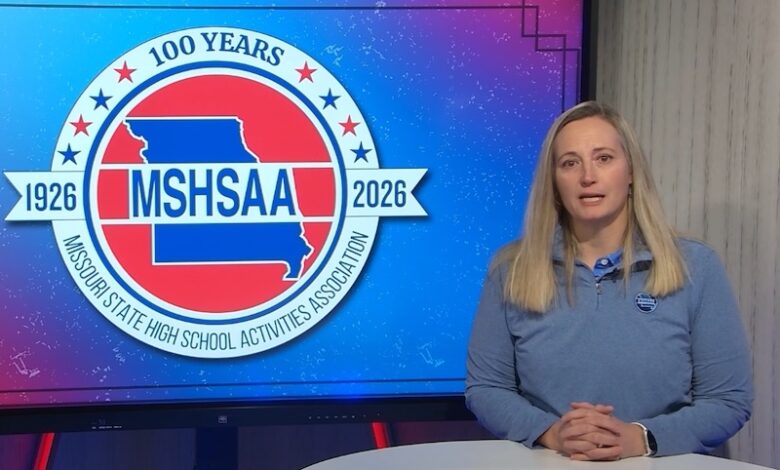
Pressure is mounting on the Missouri State High School Activities Association (MSHSAA) as state lawmakers respond to a whistleblower’s explosive claims. Now, legislators have proposed a bill to correct the organization’s board selection process, which they say illegally excludes white males.
The controversy began over a little-known provision in the MSHSAA bylaws, which states: “The two at-large members shall be individuals of an under-represented gender or race.” Critics say this DEI-focused rule violates federal law and Supreme Court rulings by barring otherwise qualified candidates from consideration solely because of their race or gender. Missouri Attorney General Catherine Hanaway minced no words in her lawsuit. “MSHSAA’s nomination policies and actions are racist and unlawful,” she declared Wednesday, accusing the association of “discriminating on the basis of race and sex”.
Whistleblower allegations
The case exploded into public view after Merlyn Johnson, a white male superintendent in Cassville, came forward as a whistleblower. Johnson, a respected administrator, contends he met all the professional requirements for an at-large board seat but was informed he could not apply due to the bylaw’s restrictions. “I was qualified for the position,” Johnson said, “but I was excluded because of who I am, not what I could contribute.” He added, “This isn’t about diversity, it’s about fairness. Excluding people based on race or gender is never the answer” he stated on Facebook.
READ: Missouri lawmakers advance summer camp safety bill
MSHSAA’s executive director, Dr. Jennifer Rukstad, pushed back, insisting the DEI policy was designed to guarantee the board reflects the diversity of Missouri schools. “Representation is not discrimination,” she argues. “The eight regular seats are open to any administrator. Only the two at-large positions have additional qualifiers”.
In an email to Metro Voice, Rukstad framed the issue around state control, not claims of discrimination. “It is time to fight for the future of high school sports and activities in our state,” she stated. “If our 724 member schools want to retain their ownership and governance of their association, we must engage.”
MSHSAA sees bill and suit as a threat
For MSHSAA, which governs 724 member Missouri high schools, it’s viewed as an existential threat. Governor Mike Kehoe and state legislators are advancing bills to dissolve the elected board and install a governor-appointed panel. Kehoe says the reforms are “about good governance and consistent standards.” He goes on to say the state “has a duty to ensure that decisions affecting Missouri’s students are made fairly and transparently.”
Hanaway says the state attempted to work with MSHSAA, and after her office completed a lengthy investigation, said the organization was unmoving. After months of discussion, she says, the organization repeatedly refused to end what she described as “unlawful discrimination.” The AG filed a complaint in the United States District Court for the Eastern District of Missouri. In a press release, the Attorney General’s office stated it is asking the Court to “declare MSHSAA’s policies unconstitutional and issue injunctive relief prohibiting MSHSAA from disqualifying candidates for positions on the basis of race or sex.”
Rukstad rebuts Hanaway’s claim, saying that they attempted to work with the bill’s sponsor and the AG’s office. She says the goal of MSHSAA was to “get more information about what the bills, which were vague, really meant and if there was any space for an agreement which all parties could live with,” she said in a video posted Wednesday.
Debate is expected to intensify as the case works its way through both the courts and the state legislature.
“MSHSAA should return to the values in its own mission statement and focus on personal excellence, positive contributions to one’s community, and the democratic principles of our state and nation when selecting board members,” Hanaway insists.
–Dwight Widaman