

Whole Grains Linked to Lower Cancer and Heart Disease Risk
'It’s 100 percent worth it," says head of prevention
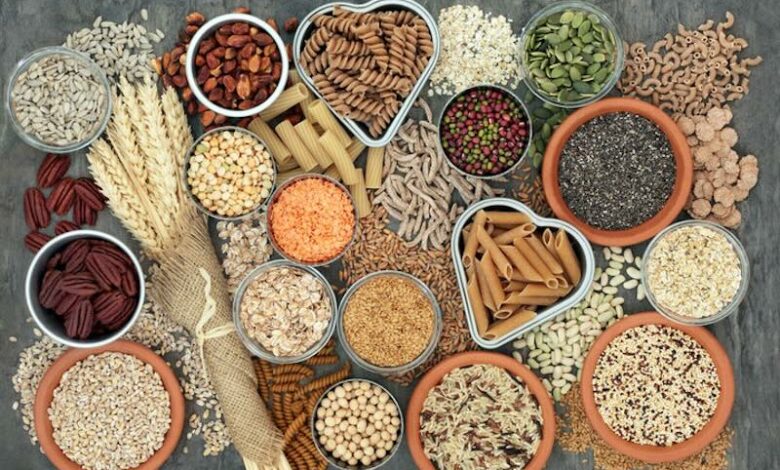
Healthy eating could prevent more than 80,000 cancer cases each year in the United States and help even more people prevent heart disease and diabetes. One simple way to eat better is to add more whole grains, because as many as nine in 10 people aren’t getting the amounts recommended for health and wellness, said Dr. Graham A. Colditz, associate director of prevention and control at Siteman Cancer Center at Barnes-Jewish Hospital and WashU Medicine in St. Louis.
Wheat, oats, rice, corn and barley offer the most benefit when they are whole grains — that is, when they include the three key parts of the natural grain kernel: bran, germ and endosperm. Bran and germ are rich in fiber, vitamins, minerals and other healthy compounds. When the bran and germ are removed during processing, they become refined grains.
The new dietary guidelines for Americans recommend focusing on eating whole grains over less-healthy refined grains. Whole-wheat bread and brown rice are classic whole-grain foods compared to their refined versions, white bread and white rice. Most adults should aim for two to four servings of whole grains a day, with one serving equaling a half cup of cooked oatmeal, a cup of dry breakfast cereal or a slice of bread.
Colditz recommends these options:
Snacks
- Whole-grain pretzels, whole-grain pita chips and whole-grain crackers
- Whole-grain granola with Greek yogurt
- Air- or pan-popped popcorn
Breakfast
- Oatmeal or whole-grain oat dry cereal
- 100 percent whole-wheat toast
- Whole-wheat or whole-grain buckwheat pancakes
Lunch
- Whole-wheat spaghetti or whole-wheat pasta salad
- Sandwich with 100 percent whole-wheat bread
- Rice bowl with brown rice
Dinner
- Soup or stew with added barley or brown rice
- Burrito with whole-wheat tortilla and brown rice
- Whole-grain veggie burger with whole-wheat bun
When eating out, ask about whole-grain options for bread, buns, tortillas, fillings or side dishes. They may not always be listed on menus, or if they are, may not be highlighted. But they’re becoming more common options at many restaurants and can be an easy way to sneak more whole grains into our days.
“Adding more whole grains to our weekly menus can help us do just that.,” Colditz said. “It can take a little extra time and effort to make the switch. But it’s 100 percent worth it.