
Beauty for Ashes: Christian Film Sparks Israeli Reconciliation
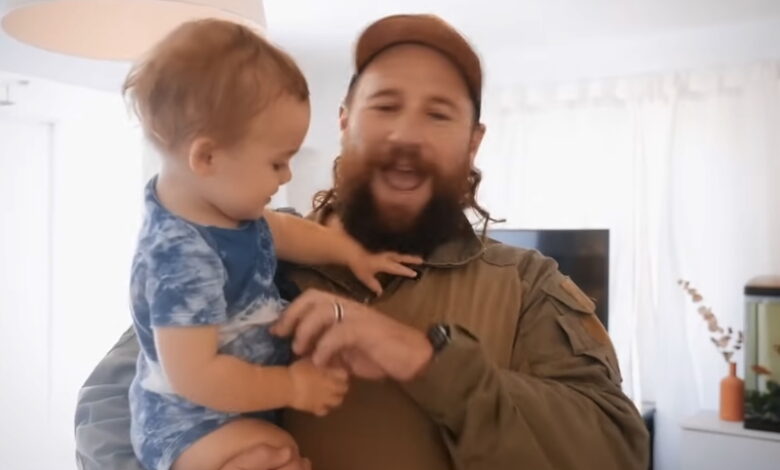
A new Christian-produced documentary, Beauty for Ashes, is bringing hope and prompting dialogue in Israel two years after the Hamas terror attack of Oct. 7, 2023.
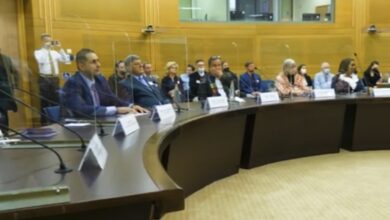
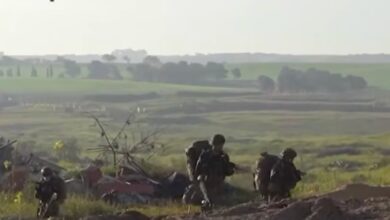
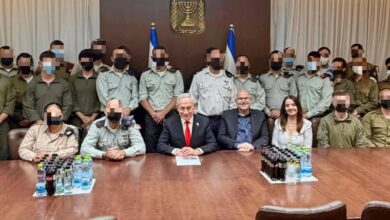
Produced and directed by the Fellowship of Israel-Related Ministries (FIRM), the film features nearly three dozen viewpoints in one powerful hour, including voices of Messianic Jewish believers, a Palestinian pastor, human-rights activists, an Israel Defense Forces soldier and spokespersons, the mother of a deceased hostage, civilians from Gaza and Orthodox Jewish communities, Hamas terrorists, Christians, government officials, United Nations representatives, and scholars. Together, their perspectives form a collective appeal for empathy and reconciliation—a goal the filmmakers say is rooted in Scripture.
“A film alone is not going to change people’s minds, but hopefully it starts a conversation based on the Word [of God] that brings change in some ways,” said director Rebecca Kroese, who created the documentary with her husband, Benjamin Kroese, a Jewish believer. After moving to Israel four years ago, the couple began producing faith-based films to “show what God is doing in the land,” she said.Rebecca Kroese said she and her husband felt compelled to tell a story the global media had largely overlooked.
Watch the film below:
“As a media team, we felt it was important to give a voice—especially in the middle of media that was speaking about everything except the hope of Yeshua in the land,” she said. “It was a unique voice because, through Yeshua, there was unity between Jews and Arabs. Even though there was pain, it wasn’t hatred.”
The film took two years to complete and involved combing through hundreds of hours of footage. The hardest challenge, Kroese said, was deciding what to include amid the spiritual, political, and emotional complexity surrounding the October 7 tragedy. “I wanted to show not only what happened on October 7 from the perspective of believers but also their impact in the way they carried themselves during suffering,” she explained. “Often in church we talk about the glorious bride of Christ but not about walking with Jesus in the middle of suffering.”
The theme of walking with faith through hardship has drawn favorable attention. In a recent Christianity Today column about faith-based documentaries, film critic Kenneth Morefield noted, “The films that endure aren’t those that avoid conflict, but those that show how grace sustains people in its midst.” Viewers of Beauty for Ashes say the same could describe the Kroeses’ work.
As Beauty for Ashes nears its official release, interest is building in both Israel and the United States. Two Christian television networks are reportedly in talks with FIRM to air the film around the two-year mark of the Hamas attack. “It’s interesting to see that slowly the name of Yeshua is becoming less of a hot topic,” Kroese said. “Because of the love they’re seeing from Messianic and Arabic believers locally and from around the world, Jewish people are slowly and remarkably changing their conversation about the name of Yeshua.”
The documentary’s message also reflects a broader shift toward dialogue and reconciliation. Messianic Jewish leader David Nekrutman, speaking to World Magazine earlier this year, observed, “When we lose the fear of the other, we can finally see the image of God in people who look different, believe differently.”
Similarly, journalist Ruthie Blum wrote in Commentary that, “Two years after October 7, the stories not yet told are those that show how ordinary people seek peace, community, and reconciliation in the shadow of loss.”
For the Kroeses, Beauty for Ashes aims to tell exactly those stories. The title, drawn from Isaiah 61, reflects their hope that beauty and healing can rise even from unimaginable devastation.
The film has already drawn praise in Christian media circles for its unprecedented range of voices and its unflinching look at how believers on all sides are responding with love rather than vengeance. Its authenticity and balance have been highlighted by early screenings and ministry leaders who call it “a bridge between truth and compassion.”
–Dwight Widaman