
Jewish holy day of Yom Kippur also is good time for Christians to reflect
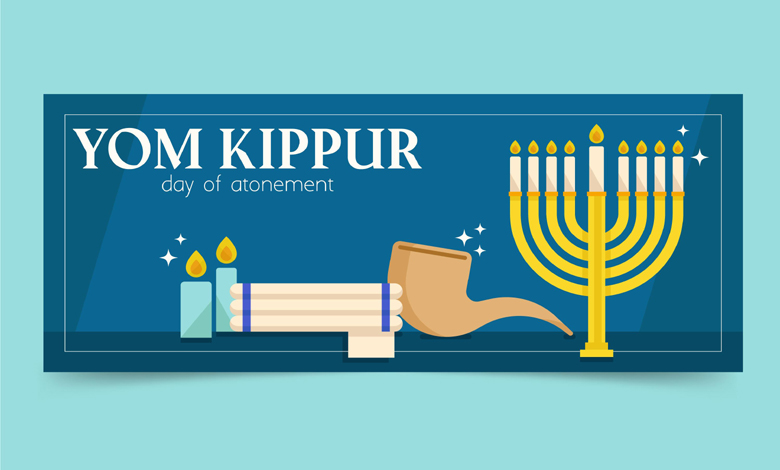
Jews around the world will celebrate Yom Kippur, which they consider one of the holiest days of the year, on October 1. It also carries significance for significance for Christians as they consider the Jewish origins of their faith.
Yom Kippur closes the Ten Days of Awe, which began with commemorating the Jewish New Year (Rosh Hashanah), according to Christianity.com. Yom Kippur marks a time for Jewish people to get ready for the upcoming year with times of confession, repentance and fasting.
In biblical times, Yom Kippur included the sacrifice of animals when the high priest passed into the Holy of Holies. The priest made atonement for the people with the sacrifices as they practiced self-denial and refrained from work. He followed a strict procedure as he bathed and then dressed in white linen attire before he entered the Holy of Holies.
Contemporary observant Jews spend time making peace with people before the Ten Days of Awe arrive. It’s their way of preparing their hearts to come before God with as pure a heart as possible. A Yom Kippur feast usually precedes their fast during the twenty-four hours of atonement, and families often light candles in remembrance of deceased loved ones.
READ: Former Missouri Rep. Vicky Hartzler praises new legislation focusing on freedom of religion
The actions of reconciliation during the time preceding Yom Kippur remind Christians to that be at peace with whomever they can (Romans 12:18). Repentance should be an ongoing practice. Fasting is a good discipline that turns the focus to the Lord. Reflecting on the Lord’s sacrifice will steady hearts and turn sorrows and anxieties into joy, knowing Christ has done what humans never could.
For Christians, to regard Yom Kippur and its observance is an opportunity to meditate on how God used it to foreshadow Jesus’ work on the cross. Just as the high priest sent the scapegoat out of the camp, Jesus was judged by the Jewish leaders, and they led him outside Jerusalem to his crucifixion and death. “He is the propitiation for our sins, and not for ours only but also for the sins of the whole world” (1 John 2:2).
-Lee Hartman | Metro Voice Photo: Freepik