

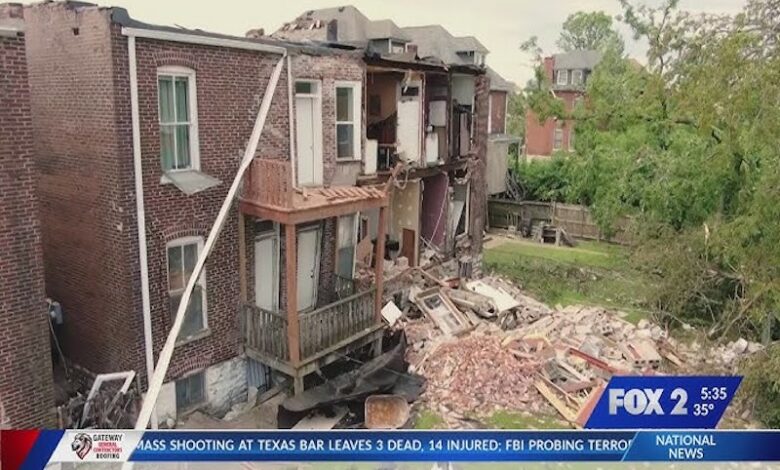
Local residents are encouraged to plan ahead as the spring severe weather season approaches.
Sixteen Missourians died because of tornadoes in 2025, making it the deadliest year for tornadoes in the state since at least 158 people were killed in the Joplin EF-5 tornado in 2011. Kansas fared better with zero tornado deaths but eight others killed by other severe weather.
The National Weather Service also reported three flooding deaths last year and one death because of a severe thunderstorm. Missouri Severe Weather Preparedness Week on March 2 to 6 and the statewide tornado drill on March 4 were created to call attention to the dangers of severe storms and help Missourians prepare.
“Missouri had five federal major disasters in 2025 — more than any other state last year– which, along with the fatalities and injuries, sends a clarion call for the need to be prepared for all forms of severe weather,” said Jim Remillard, director of the state Emergency Management Agency. “We strongly encourage all Missourians to take these threats seriously and make sure every member of their household knows how to prepare and is ready to take protective action.”
The statewide tornado drill will be held at 11 a.m. on March 4 as part of the week’s preparedness activities. Some Missouri communities may choose to conduct the drill on a different day because of conflicting local events. At 11 a.m. on the day of the drill, NOAA Weather Radios will alert listeners that the drill has begun. Outdoor warning sirens also will sound across participating Missouri communities.
Schools, businesses and families are encouraged to participate in the drill. Educators also are urged to use the drill as an opportunity to incorporate tornado facts, meteorological information and safety tips into their lesson plans. Remember these additional tips to stay safe during severe weather:
- Follow local forecasts any time severe weather is anticipated. Have multiple ways to receive weather alerts in case one fails or if severe weather strikes overnight.
- Create a family emergency plan to stay safe, and remember to include all pets when building an emergency kit and stocking up on supplies.
- A tornado watch means tornadoes are possible in the area. A tornado warning means to seek shelter immediately because a tornado has been sighted or indicated by radar.
- The safest shelter location for tornadoes generally is an interior room without windows on the lowest floor of a sturdy structure, preferably in the basement.
- Immediately leave a mobile home to seek shelter in a nearby building. Never seek shelter under an overpass, because the wind tunnel effect and flying debris can be deadly.
- If you hear thunder, it means lightning is close enough to strike you. Leave elevated areas and avoid isolated trees. Seek shelter immediately in an enclosed building or vehicle.
- The safest place to be during high winds or hail is indoors. Avoid driving to prevent injuries or vehicle damage. Consider all downed power lines as live.
- Never drive into standing water, even if it appears shallow. As little as six inches of fast-moving water can cause a car to lose control. Rapidly rising water may engulf the vehicle and sweep it away. Murky water can hide hazards such as dangerous debris and road damage.
More information can be found at www.stormware.mo.gove, which includes detailed videos on how to shelter from tornadoes in specific locations, how to avoid flash flooding dangers and useful information on tornado sirens and weather alert radios. Missourians also are encouraged to use Missouri’s “Ready in 3” program to create a plan, prepare a kit and listen for information regarding severe weather emergencies at https://health.mo.gov/emergencies/readyin3/.
–Dwight Widaman