
World Cup Fans Discover America’s Fireworks Freedom
For many World Cup fans visiting the United States this summer, the Fourth of July is offering a cultural surprise they did not expect: ordinary Americans walking into stores and buying fireworks for backyard celebrations.
Social media posts around the tournament have captured the amazement. One Instagram reel described “Fireworks at Walmart” as “such a wild concept for the World Cup travelers.” Another post summed up the reaction more simply: “AMERICA BABY!” Others used the moment to praise the country itself, with one post saying, “I love America,” while another observed that “there are things America does that are better than the UK.”
The reaction says something about how unusual American fireworks culture looks to visitors from countries where the sale and use of fireworks are banned or more tightly restricted. In the UK, for example, adult fireworks can be bought only from registered sellers during certain holiday windows unless a shop has a special license. Category 4 fireworks are limited to professionals, and setting off fireworks in streets or other public places is illegal.
In the United States, fireworks are more than a holiday purchase. They are part of the sound, smell and spectacle of Independence Day, especially this year as the nation marks its 250th birthday. But the same freedom that fascinates visitors also comes with danger, which is why safety officials are again urging Americans to celebrate wisely.
Cities throughout Missouri and Kansas have big plans to celebrate the nation’s 250th birthday, and many residents are planning events of their own. The National Safety Council encourages residents to use caution to prevent fun from turning into tragedy.
“Every year, thousands of people are injured badly enough to require medical treatment after fireworks-related incidents, with many of the injuries to children and young adults,” according to its website. “While the majority of these incidents are due to amateurs attempting to use professional-grade, homemade or other illegal fireworks or explosives, less-powerful devices like small firecrackers and sparklers can also cause significant injuries.”
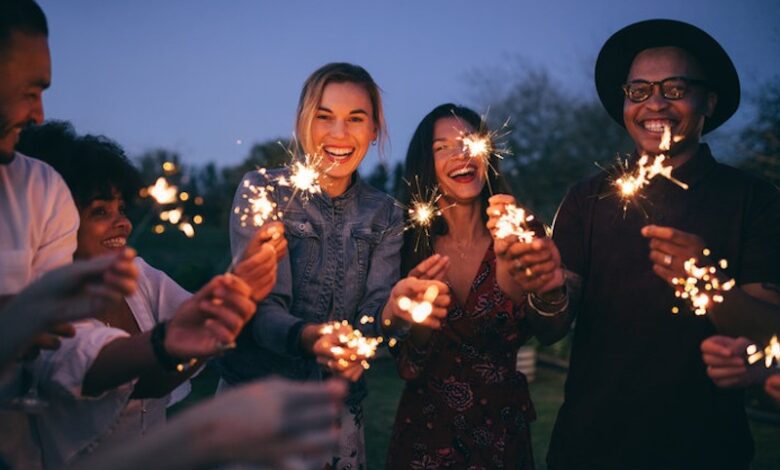
Young children can be found along parade routes and at festivals with sparklers in hand, but sparklers are a lot more dangerous than most people think. Sparklers burn at about 2,000 degrees, which is hot enough to melt some metals. Sparklers can quickly ignite clothing, and children have received severe burns from dropping sparklers on their feet. They accounted for nearly one-third of fireworks injuries for children under age 5 in 2022, according to the National Fire Protection Association.
The council offers these tips for people who plan to use fireworks themselves:
• Never allow young children to handle fireworks.
• Older children should use them only under close adult supervision.
• Never use fireworks while impaired by drugs or alcohol.
• Anyone using fireworks or standing nearby should wear protective eyewear.
• Never hold lighted fireworks in your hands.
• Never light them indoors.
• Use them only away from people, houses and flammable material.
• Never point or throw fireworks at another person.
• Light only one device at a time and maintain a safe distance after lighting.
• Never ignite devices in a container.
• Do not try to relight or handle malfunctioning fireworks.
• Soak both spent and unused fireworks in water for a few hours before discarding.
• Keep a bucket of water nearby to fully extinguish fireworks that don’t go off or in case of fire.
• Never use illegal fireworks.
• Better yet, grab a blanket and a patch of lawn, kick back and let the experts handle the fireworks show.
–Alan Goforth