

Kansas Severe Weather Awareness Week is March 2nd to 6th
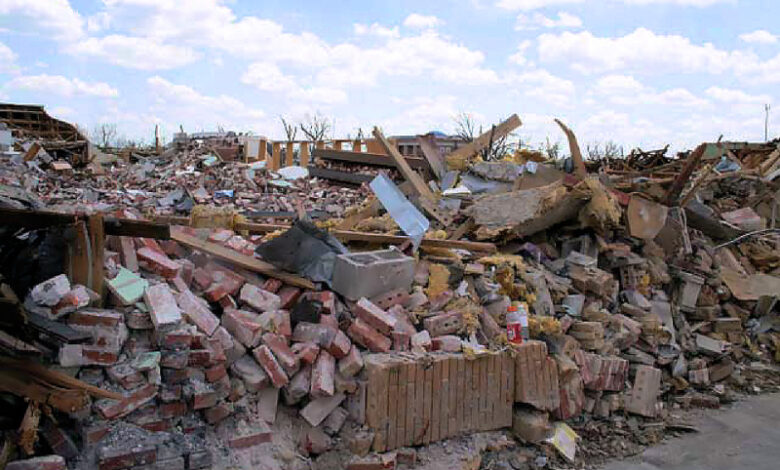
It’s that time of year again…severe weather is a fact of life in Kansas, particularly in the spring and summer months.
Living in Kansas means staying weather-aware through the spring and summer. Storms can crop up without much warning, so that means having a safety plan is a must. Every year, the National Weather Service launches a week of special seminars and programs to help Kansans make those plans, and this year, it’s happening in the first week of March.
Severe Weather Awareness Week runs from March 2nd through March 6th, and a complete list of programs and safety tips is available here.
Kansas experiences a wide variety of summertime severe weather, including: tornadoes, damaging winds, large hail, and flash flooding. Residents are encouraged to use this week to review their severe weather safety plans.
A statewide tornado drill will take place on Wednesday, March 4, at 11:00 AM. The purpose of the drill is to test everyone’s readiness for life-threatening severe weather events. Eight Kansans lost their lives last year in severe weather events.
READ: Pastor Jentezen Franklin encourages Christians about the power of short prayers
Schools, businesses and families are encouraged to participate in the drill. Educators also are urged to use the drill as an opportunity to incorporate tornado facts, meteorological information and safety tips into their lesson plans. Remember these additional tips to stay safe during severe weather:
- Follow local forecasts any time severe weather is anticipated. Have multiple ways to receive weather alerts in case one fails or if severe weather strikes overnight.
- Create a family emergency plan to stay safe, and remember to include all pets when building an emergency kit and stocking up on supplies.
- A tornado watch means tornadoes are possible in the area. A tornado warning means to seek shelter immediately because a tornado has been sighted or indicated by radar.
- The safest shelter location for tornadoes generally is an interior room without windows on the lowest floor of a sturdy structure, preferably in the basement.
- Immediately leave a mobile home to seek shelter in a nearby building. Never seek shelter under an overpass, because the wind tunnel effect and flying debris can be deadly.
- If you hear thunder, it means lightning is close enough to strike you. Leave elevated areas and avoid isolated trees. Seek shelter immediately in an enclosed building or vehicle.
- The safest place to be during high winds or hail is indoors. Avoid driving to prevent injuries or vehicle damage. Consider all downed power lines as live.
- Never drive into standing water, even if it appears shallow. As little as six inches of fast-moving water can cause a car to lose control. Rapidly rising water may engulf the vehicle and sweep it away. Murky water can hide hazards such as dangerous debris and road damage.
For those wishing for a printable version of the 2026 Kansas Severe Weather Preparedness Packet download that HERE.
–Lee Hartman | Metro Voice
Photo: National Weather Service