
Echoes of Truth: How Popular Stories Reflect Timeless Christian Themes

After years of fighting against the powers of evil, a man willingly walks toward death. He is about to complete the mission he was born for: to save humanity by facing the enemy who sought to leave him powerless. The man dies, sacrificing himself to save the people he loves. But that’s not the end of the story. The man comes back to life, defeating the enemy who thought he had won.
The story is familiar. It sounds a lot like the Easter story. It is also the climax of Harry Potter and the Deathly Hallows.
Guest Opinion | Lyra Thompson
While I am by no means saying that the fictional protagonist is a Christ figure, I am pointing out one well-known example of a broader trend—when popular stories reflect biblical messages such as sacrifice, redemption, and good triumphing over evil.
From fantasy novels to animated movies, many themes at the heart of Christianity can be found in popular stories, whether intentionally or not. In this article, I will look at a few beloved works with core messages that ultimately point to the God of the Bible.
Harry Potter: Good Ultimately Triumphs
The Harry Potter series by J. K. Rowling has many biblical parallels, like the example of sacrifice and resurrection mentioned above. But the overarching story from the first to the last book is also a familiar one: Goodness always triumphs over evil in the end.
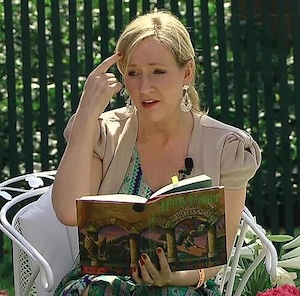
In the books, Harry is always threatened by the story’s recurring villain—Lord Voldemort. The two opposing sides represent the opposing forces of good and evil. Much like real-life spiritual warfare, Voldemort sometimes succeeds. Sometimes his power wins the moment. But in the end, he is defeated, just as Jesus defeated Satan through His death on the cross.
There are also some smaller biblical themes present in the series. Lord Voldemort is a lesson on how desiring power above all else leads to corruption and destruction. In his quest for immortality, Voldemort makes Horcruxes, tethering him to life but splitting his soul each time. Eventually, although he is “alive,” he isn’t really living. He remains physically alive, but Voldemort has nearly destroyed his soul in his ruthless chase of immortality.
Finally, the Bible has a lot to say about contentment and stewarding what you have—for example, with the parable of the talents. In the Harry Potter books, the Weasley family embodies these traits. While they are financially poor, they are rich in love and joy. They make the most of what they have and are happy and successful in the ways that matter.
The Avengers: Morality and Sacrifice
Captain America, Iron Man, and the rest of the Marvel heroes demonstrate many Christian principles. The first can be found in the character of Steve Rogers, a.k.a. Captain America.
 One of the biggest traits Steve is known for is his morality. Even before he became a superhero and was a physically frail young man enlisting in the military, he never compromised on doing what’s right. He put the lives of others before his own, he defended those who couldn’t defend themselves; he even famously hated curse words. Steve embodied Philippians 4:8, valuing what is true, pure, lovely, just, and admirable.
Tony Stark, or Iron Man, also embodies biblical traits. His character arc paints a picture of redemption through Christ. He begins the series selfish and arrogant, but when he hits rock bottom, he’s forced to change his perspective and eventually his heart. Tony has been transformed so much by the climax of his story that he makes the ultimate sacrifice in the battle against Thanos. He knew that his death was the only way for the heroes to win, and he willingly gave up his life to save the rest of his team.
Beyond individual heroes, the Avengers demonstrate using your gifts for good. Whether they were born with them or acquired them through some method later in life, every Marvel character has powers, or “gifts.” While the villains choose to use their powers to cause harm, the good guys use them to fight back and protect people. Similarly, God gives everyone on Earth unique talents and gifts, and we need to use them to glorify Him and serve others.
Beauty and the Beast: Looking Past Outward Appearances
Beauty and the Beast might not seem like a story with Christian messages, but there are actually many biblical themes found in the fairy tale. The biggest one comes from Belle’s relationship with the Beast.
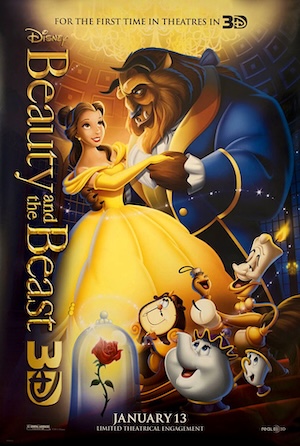 At first, Belle only sees the Beast for the monster he appears outwardly to be. But as she interacts with him, she begins to see his heart. He is more than just a beast; he is a man who wants to change. Just as Belle looks past the Beast’s outward appearance, the Bible says that God looks at the heart. It’s what’s on the inside that matters more than what’s on the outside. At the same time, Belle does not ignore the Beast’s past cruel behavior. It’s only when his heart begins to change that Belles pays attention to him.
The Disney movie also shows the dangers of vanity and pride. For the Beast himself, pride is the reason he became cursed. He refused to answer the door for an old, poor woman because he thought she wasn’t good enough for him, the prince. The woman—who turned out to be an enchantress in disguise—then cursed him and forced him to live as a monster until he could learn humility and love.
Gaston, the story’s villain, is another picture of vanity. He is so obsessed with his own strength and appearance that he disregards the feelings of everyone around him, especially Belle’s. He doesn’t understand how Belle couldn’t love him, and he’s threatened by the Beast and wants to kill him to show off. Many times, scripture warns against thinking of oneself more than others. Gaston is an example of what can happen if that warning is not followed.
Wall-E: Stewarding God’s Creation
In the Pixar classic Wall-E, the Christian themes are less obvious but still present. Wall-E is not a superhero epic full of sacrifices and saving the day. Instead, it is a simple story about a little robot who has hope and wants to restore the world. But God’s teachings are present nonetheless.
The Bible often talks about stewarding creation. In Genesis, God gives Adam and Eve this command. Wall-E shows what happens if people don’t take care of the world well. The movie takes place on a future version of Earth, one that has been destroyed and is uninhabitable. Humans did not steward the earth, allowing it to become the wasteland Wall-E wanders.
However, the story also shows the power of hope. While digging through trash and rubble, the little robot discovers a tiny seedling. The small sign of life amidst the destruction shows that restoration is possible. In the end, humans are able to inhabit the Earth again. Just like the little plant showed that the world could come back from ruin, Jesus redeems sinful hearts and offers salvation. There is hope, no matter how far gone one thinks they are.
Avatar: The Last Airbender: From Revenge to Redemption
Avatar: The Last Airbender is another unconventional choice. The Nickelodeon show is primarily about restoring peace to the world and fulfilling your purpose, but another major theme is redemption. This is most obvious in the character of Zuko.
Zuko starts the series with one goal: to capture the Avatar and restore his honor in the Fire Nation. This mission consumes him, and he will stop at nothing to complete it. In the first season of the show, Zuko is a harsh, hot-headed young man. As the show goes on, he grows to be a better person and eventually befriends the boy he once tried to kill, becoming a vital asset in taking down the evil Fire Lord.
READ: Most people approve of faith themes in secular movies
Zuko’s path of redemption mirrors what can happen when someone puts their faith in Jesus. No matter how many bad things a person does, there is always hope for them to turn their lives around.
The aftermath of Zuko’s redemption also demonstrates another biblical principle: forgiveness. Katara, one of the main characters, at first does not accept that Zuko is on the good side. She is deeply hurt by what Zuko’s people did to her people and what Zuko himself tried to do to her and her friends. She acts coldly towards him and refuses to forgive him. But eventually, Katara forgives Zuko, paralleling how Jesus forgives us and calls us to forgive others.
Why These Stories Resonate
On the surface, Christian themes appearing in secular media might not seem significant. But these examples are not accidents. While the creators might not have intended it, the biblical messages found in these stories ultimately point to the greatest Creator.
The themes I’ve discussed all resonate deeply with audiences. Christian or not, people understand the importance of hope, self-sacrifice, redemption, and goodness. Everyone inherently knows the difference between right and wrong. We root for the good guy to defeat the bad guy. That is because morality comes from God. Good and evil are not man-made, subjective concepts.
Even for people who do not follow Christ, God has given everyone a sense of right and wrong. Because we are created in His image, the stories we write often reflect the truth of the gospel God has placed in our hearts. Whether they realize it or not, people are drawn to themes that point to the One from whom these truths originate.
–Lyra Thompson | Metro Voice
#ChristianThemes #FaithAndCulture #BiblicalTruth #PopCultureAndFaith