
Ancient Jerusalem Coin Discovery Sheds Light on Temple Destruction
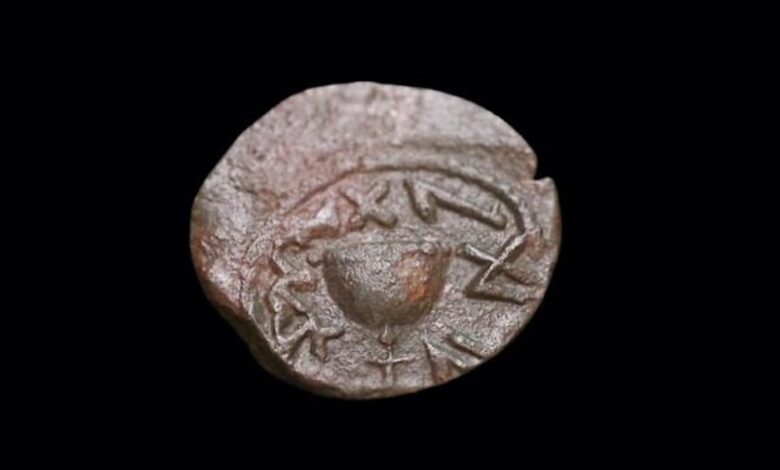
Israeli archaeologists have uncovered a rare coin that was minted in Jerusalem during the time of the apostles and the early church. The coin, which dates from A.D. 69 or 70, is inscribed “For the Redemption of Zion” in Hebrew.
“We thought from the looks of it that it might be a rare coin,” said Esther Rakow-Mellet, an archaeologist for the Israel Antiquities Authority, according to “Crosswalk Headlines.” “We waited anxiously for several days until it came back from cleaning, and it turned out that it was a greeting from the Jewish rebels in the year four of the great revolt.”
According to Rakow-Mellet, “This coin is unique and bears a moving inscription that reflects the hopes and prayers of the Jewish people besieged in Jerusalem,” he told the Times of Israel.
The inscription reflects the desperate hopes of Jerusalem’s Jews during the final year before the temple’s destruction by Rome. At the time, Christianity was spreading rapidly across the Roman Empire. The Apostle Paul had completed his missionary journeys and likely was martyred just a few years earlier. Several other apostles, such as John, were still alive and actively ministering.
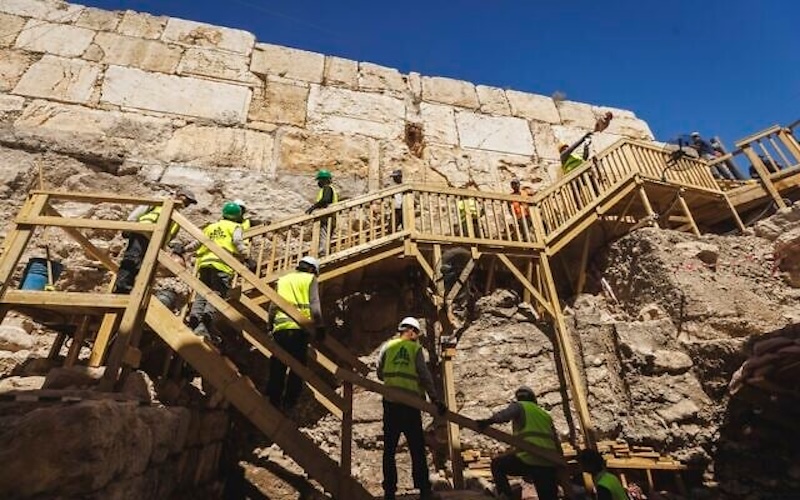
Long before A.D. 70, Jesus prophesied Jerusalem’s fall and the temple’s ruin. As Christianity grew, many Jews in Jerusalem joined the revolt in hopes of overthrowing Roman rule and restoring national independence.
Yaniv David Levy of the Israel Antiquities Authority discovered the coin covered in dirt.
Levy described the moment of discovery: “I spotted a coin covered in a layer of earth and immediately realized it was something special. After cleaning, the ancient Hebrew script was revealed, reading ‘For the Redemption of Zion’”.
The bronze coin is well-preserved and features a goblet on the side with the inscription. The reverse displays symbols from the Jewish festival of Sukkot — a palm frond (lulav) and two citrus fruits (etrogs) – alongside the words “Year Four,” dating it to the final year before Jerusalem’s fall.
“The coin’s symbols are a direct reflection of the Jewish festivals and rituals that continued even as the city was under siege,” said Dr. Yuval Baruch, excavation director (Armstrong Institute).
“It would seem that in the rebellion’s fourth year, the mood of the rebels now besieged in Jerusalem changed from euphoria and anticipation of freedom at hand to a dispirited mood and a yearning for redemption,” said Yuval Baruch, excavation director on behalf of the Israel Antiquities Authority. Baruch added, “This coin is a rare testimony to the sense of despair and hope that characterized the city’s final days”.
–Dwight Widaman