
GLP-1 Weight Loss Drugs Come With Risks
Weight gain and obesity increase the risk of 13 types of cancers, as well as diabetes, stroke, arthritis, mobility problems and many other serious conditions. Weight loss can be difficult for most people, however, which is why the recent rise of GLP-1 medications has become a promising bright spot.
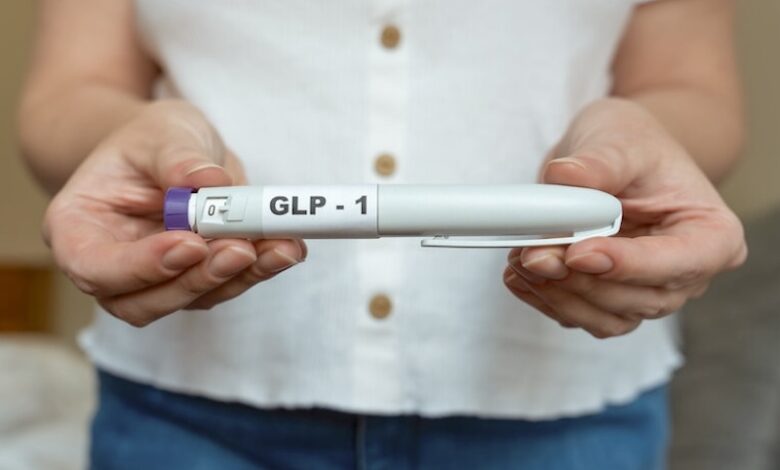
Officially known as glucagon-like peptide-1 receptor agonists, GLP-1 drugs first were approved to treat type 2 diabetes and later for weight management. The most commonly used GLP-1 drugs are semaglutide, sold as Ozempic or Wegovy, and tirzepatide, sold as Zepbound. They usually are given with a once-a-week self-injection, but a semaglutide pill recently became available.
“GLP-1 receptor agonists are based on hormones that are made naturally by the body when we eat,” said Dr. Cynthia Herrick, a professor in the Division of Endocrinology, Metabolism and Lipid Research at WashU Medicine in St. Louis. “They slow the movement of food through the gut and have a complex effect on signals of fullness in the brain.”
In response, people eat less — and lose weight. Those using the most common once-a-week GLP-1 drugs have been shown in studies to lose around 15 percent to 20 percent of their body weight. On top of weight loss, studies have found a wide range of health benefits, including treating type 2 diabetes; preventing future heart attacks and strokes in people who have had them in the past; and lessening certain liver and kidney conditions.
As with any medication, though, there can be downsides. Serious side effects are rare but can include gallstones, an inflamed pancreas and problems with food moving through the digestive system. There also is some concern that GLP-1 drugs may increase the risk of thyroid cancer, but so far, studies are inconclusive. More common side effects include nausea, occasional vomiting, bloating, mild diarrhea and constipation. They can also cause genetic mutations.
Insurance and GLP-1 drugs
Insurance coverage for GLP-1 drugs can vary. Most plans will cover a GLP-1 drug to treat diabetes, but they are less commonly covered for weight loss or other approved conditions. And even with insurance, monthly costs on some plans can be more than $1,000 until people reach their deductibles. Some options, however, can help.
“There are now direct-to-consumer programs from the pharmaceutical companies that can lower the cost to $150 to $450 per month, depending on the medication and dose,” Herrick said.
READ: Protect your skin this summer
Because people on GLP-1 therapy likely will be on it long-term, affordable access can be especially important. “I tell people to think of these the way we think of blood pressure and cholesterol medicines,” she said. “These work to reduce heart disease risk, but only when taking the medications. When people stop them, weight can increase.”
GLP-1 drugs are not a replacement for exercise
Keeping up with physical activity and healthy eating remains important while taking GLP-1 drugs and is a key recommendation from many organizations. It can boost the benefits of medication, improve quality of life and help maintain weight loss. These benefits can build on each other.
“I’ve had patients note that they no longer have a taste for sugar-sweetened beverages or alcohol after starting these medications,” Herrick said. “They find it easier to limit processed food intake and to control portions. And as people begin to lose weight, they often find regular physical activity easier to do.”
–Lee Hartman