
Good News as We Enter the Second 25 Years of the Century
Life has improved since 2000, here's where it matters


We have completed the first 25 years of the 21st century. Is life better? You’ll most likely agree that most news outlets only focus on the negative. But there’s so much good news! Here’s an encouraging list of how life is better than it was 25 years ago.
1. Healthcare Tech and Early Diagnosis
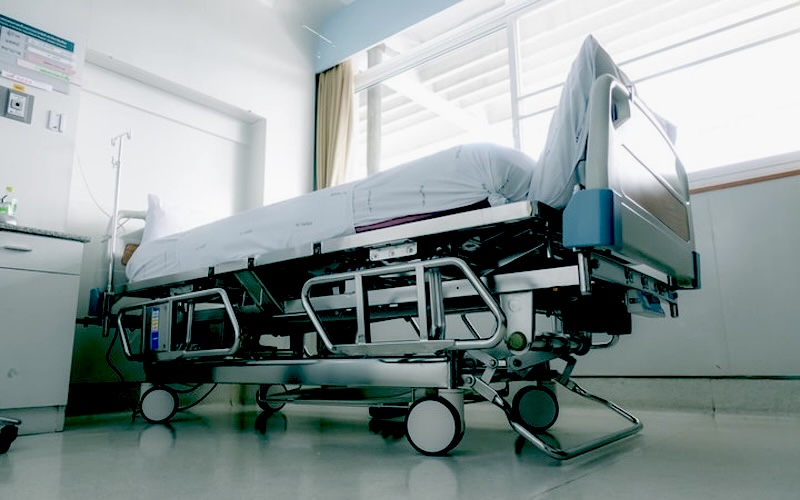 Even before the advent of artificial intelligence, medical facilities had become better at early detection of major diseases. The ability grew exponentially in 2025 with the advent of AI-driven medical equipment. One example is a new stethoscope that diagnoses major heart conditions in seconds, at times tripling early detection rates for heart failure and atrial fibrillation compared to standard methods. Earlier diagnosis is increasing the survivability of not just heart issues, but also cancer and autoimmune diseases.
2. Access to Information
In 2000, reliable information was controlled by institutions like the media, libraries, universities, and the government. Today, anyone with a smartphone can access court records, academic research, historical archives, and reporting from across the globe in just seconds. Citizens can now fact-check politicians, news outlets, and others in real time, comparing viewpoints and different sides to make up their own minds.
3. Vehicles Are Safer
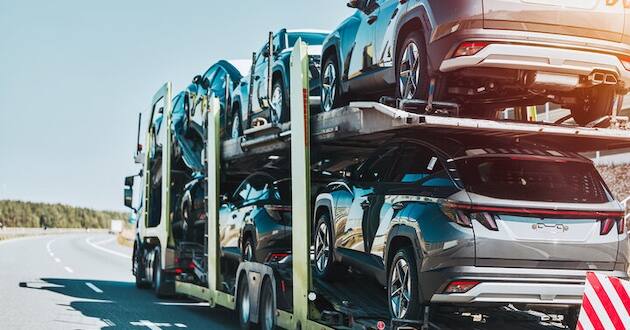 Back then, most vehicles lacked things we take for granted today. From emergency braking, blind-spot detection, lane-keeping guidance, and advanced airbags, you are much safer in a vehicle today. The good news is that technology has driven a decrease in motor vehicle deaths. In 2025, traffic deaths per mile driven in the US have dropped despite millions more vehicles (and people) on the roads. Most of us don’t realize that, as the people who “walked away” from a crash typically don’t make the news.
4. Disabilities and Chronic Illness
Back in 2000, individuals with disabilities still experienced social isolation or limited job opportunities. Now we have assistive technologies like speech-to-text software and AI-powered hearing aids. New mobility devices allow many to wield tools once off limits. But this advance is not just technical, it’s cultural. Productivity and dignity can be attained by many more people.
5. Improved Consumer Information
You know more about what you are eating or bathing with. This is a huge advance, as previously we had little access to the ingredients in the products we used. Labels were often limited and confusing, with allergens poorly worded, if they were disclosed at all. Today, with stricter tracking systems, better testing, and mandatory clear labeling, public awareness has skyrocketed. While some of the changes were mandated by law, most were a result of public pressure from consumers who didn’t want to be in the dark. That public pressure is part of what’s fueling the Trump administration’s crackdown on cancer-causing ingredients in food dyes and other products we use. There’s no going back.
6. Can You Hear Me Now?
 Did you know in 2000, international calls were still relatively rare? And expensive! Video calls were still mostly science fiction or available only to the wealthy. Today, you can connect hundreds, even thousands, instantly via instant video. But on a personal level you can talk and see anyone in the world on a little divice in your pocket. That means grandparents can see the grandkids a world away, and even doctors can make a telemedicine diagnosis. Overall, it’s reduced isolation and made the world much smaller.
7. Solving Crimes
Crime dropped significantly in the US in 2025, partly driven by new policies like bond reform, which forces big cities to keep criminals in jail and off the streets. But there’s something else. More crimes are being solved through advances in DNA, digital forensics, and surveillance technologies. Law enforcement is reopening cold cases, and even popular podcasts and streaming shows invite viewers to look at the evidence. Fifty-year-old crimes, once thought unsolvable, have been solved.
8. Workplace flexibility.
Twenty-five years ago, almost all jobs required your physical presence. It changed over the decades, but technology and Covid lockdowns opened up a new world of working from home. Remote and hybrid options have reshaped the workforce for good and bad. But while there are still challenges, it’s been a big help for those caring for family members and others who need to be home at some point during the day. Some say it’s improved mental health and stabilized family situations for millions.
9. Emergency response and disaster forecasting.
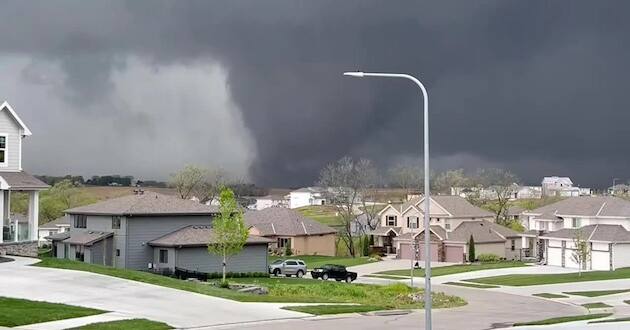
From wildfires to hurricanes, disasters are an expected part of life. Early warning systems are vastly superior today than in the past. Satellite imagery and data, instant alerts, and AI-assisted improved evacuation routes are rewriting how we respond to disasters. Advanced radar helps track potential threats like tornadoes down to the neighborhood, giving millions a few more minutes to seek shelter.
10. Social visibility
In 2000, many groups like abuse survivors, adoptive and foster families, trafficking victims, veterans struggling with suicide, those with Autism or Down syndrome, and the chronically ill were largely invisible to the public or at least in public discussions. Today, social media, better public education, and improved public policy have given these folks a voice. For many, simply being seen is a life-changer. And it’s good for our communities.
–Dwight Widaman | Metro Voice