
Peace is More Than an Absence of Conflict – It’s Shalom
I’m still celebrating in my heart the release of the hostages from Hamas captivity. While I’m so appreciative to President Trump for his tireless work to make that happen, I’m also cautious.
I heard him and many other speakers use the word “peace.” If I could whisper in their ears, I would remind them that peace is not just an absence of conflict.
Through my more than two decades of traveling across Israel, Jordan and other countries in the Middle East, my friendships with both Israeli Jews and Christian Gazans and professional acquaintances with Muslim Arabs, I can speak with confidence and hands-on experience. While the absence of conflict is a beginning, it cannot be the end.
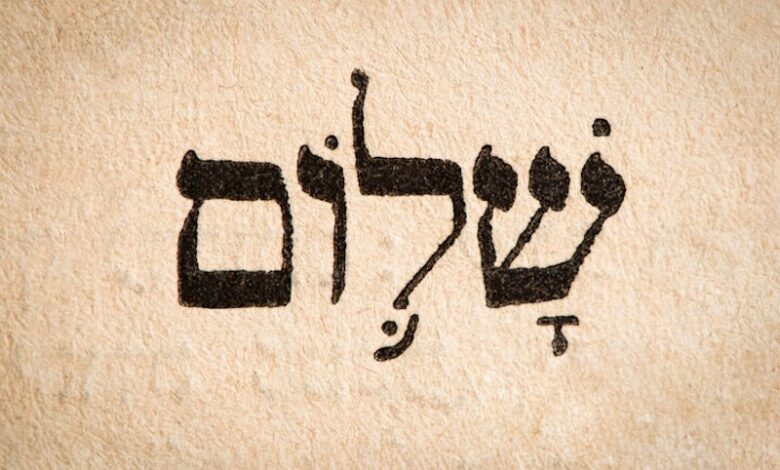
The Hebrew word for peace is shalom (שָׁלוֹם) and comes from a root word meaning to be whole, to complete, and to be restored. When my Jewish friends say shalom, they’re not wishing me to have a calm or quiet day; rather, they’re wishing for me a wholeness of body, relationships, and most importantly, of soul – to be in harmony with God. So we see in Numbers 6:24-26 “The Lord bless you and keep you…and give you peace (shalom).”
In John 14 Jesus references the difference between only an absence of conflict and the deeper meaning of “peace.” He says, “Shalom I leave with you; my shalom I give you. I do not give to you as the world gives.” In John 20 Jesus says “Shalom aleichem” – Peace be with you. This is more than a greeting. It is a bold declaration of restored relationship and that divine wholeness. Jesus wants us to experience the REAL shalom, the shalom that brings us into harmony with the creator of the universe.
The peace the world offers is only a counterfeit. So while world leaders speak of peace today (and we can wholeheartedly celebrate that and what it means for the region), true “shalom” is something only God can provide.
–Dwight Widaman is editor of Metro Voice