
Harry Truman Stuck to His Beliefs, Even When Public Disagreed
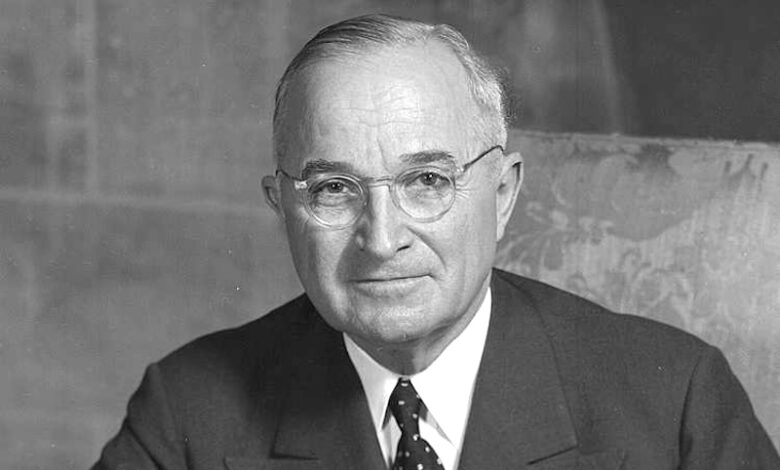
The Man from Independence, Harry Truman, may not have always been a popular president, but he showed Americans how make a tough decision and stick by it.
In 1951, he faced some of the greatest heat of his political life when he relieved Gen. Douglas MacArthur of his command in the middle of the Korean War. After North Korean communists invaded South Korea, MacArthur was placed in charge of U.S. and United Nations forces battling the attackers. Though the defenders of South Korea initially were overrun and driven down the peninsula, MacArthur’s plan to attack the enemy’s rear by sea at Inchon worked brilliantly. Cut off from their supplies and threatened with annihilation, the communist troops fled north.
Their near-defeat and the impending loss of North Korea led the Chinese to send hundreds of thousands of troops south to fight MacArthur’s forces. This invasion not only jeopardized MacArthur’s forces but became the issue that incited disagreements between the general and the president. MacArthur wanted to bomb parts of China and its military facilities, even suggesting at one point the use of nuclear weapons, options to which Truman, fearing a broader war, adamantly opposed.
Other differences between these two men also drove them apart. MacArthur was a military hero to the American people and aristocratic in appearance and demeanor, although his critics deemed him a preening peacock of a man. Truman was short, practically blind without his glasses and though blessed with more humility than the general, could be petty and coarse in his judgment of others.
It was MacArthur who brought matters to a head. He became more open in his campaign for achieving victory against China, which meant attacking the president, his commander-in-chief. On April 11, 1951, after consulting with officials such aa the Joint Chiefs, his vice president, members of Congress and even the chief justice, Truman accused MacArthur of insubordination and fired him.
The outpouring of public adulation for the general was immediate. The White House received thousands of telegrams denouncing Truman’s decision. When MacArthur returned to the states, cheering crowds greeted him everywhere he went. Moe than seven million people, a record-breaking number, cheered him at his ticker-tape parade in New York City. His speech to Congress was publicly broadcast and created even more sympathy for him.
Truman expected this turn of events. On the night he relieved MacArthur of command, he wrote in his diary, “Quite an explosion. Was expected, but I had to act. Telegrams and letters of abuse by the dozens.”
During his time in office, whether the issue was dropping the bomb; deciding to stay the course and run for the presidency; or sacking a belligerent general, Truman stuck to the hard decisions circumstances required of him. Consequently, opinion among historians judging his performance gradually shifted more in his favor. Truman now stands in that select company of presidents who made tough and often unpopular decisions, and assumed the burdens and penalties for having done so.
–Developed with The Epoch Times | Used with permission