

I’m writing a story about data centers, so I have spent time researching the issue, talking with experts, reading public comments, and getting input from those who oppose them. I’ve already written about community efforts to stop them. But I needed more information. Once a skeptic myself, a funny thing happened: I changed my mind.
I understand and empathize with the NIMBY (not in my backyard) reaction. There are legitimate concerns, and I support everyone seeking answers. Previous data center developers have gotten it horribly wrong in the past. Asking hard questions of both the developers and elected officials does not make a citizen unreasonable or opposed to progress or technology.
After considerable research, I’ve realized that much of what we see regarding the issue may be sensationalized. Our stance on either side should be based on the specific data center being proposed, not the worst example found somewhere else. A data center designed today is far more advanced than those built even five years ago. The John Deere riding mower I purchased yesterday is a lot better than the early 90s Husqvarna mower I replaced.
Major concerns
Opponents of data centers typically cite three valid reasons: noise, water, and electricity. If we were debating this five years ago, those would remain top concerns. But today, technology has advanced, often because citizen activism has forced change. That’s a good thing! Many new facilities going online this week are significantly different, and far improved, from older facilities. Let’s look at why.
What has changed in the 3 major concerns?
Technology means that data centers can now use closed-loop or air-cooled technology that is the opposite of those that use drinking water for cooling. These new systems recirculate the same coolant instead of drawing water from city water systems. Some even reduce the amount of ongoing fresh water use to zero. Think of it this way. You are not putting coolant into your car radiator every week.
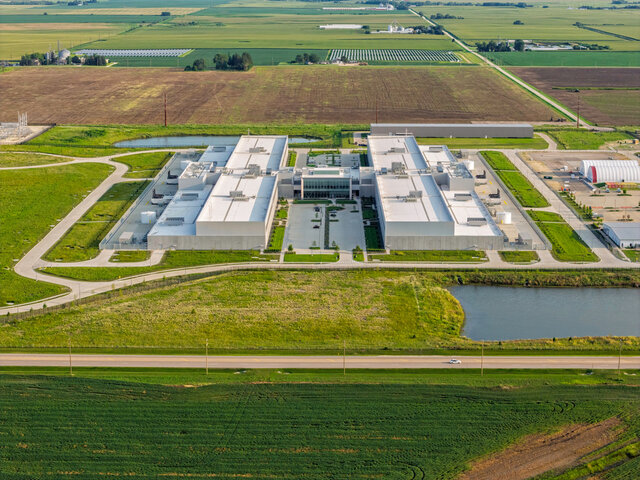
Another concern is noise. Yes, cooling systems can be heard, just like what you may hear standing near your AC unit outside. Thanks to effective community standards, new centers being constructed near where people live and work can be required to have extensive setbacks, sound insulation, equipment enclosed in sound-dampening structures, and be regulated by city or county codes. There’s still sound, make no mistake. But today it is comparable to the sounds you normally hear during the day: traffic, cooling systems or maybe a distant grain elevator in a small town.
The third top concern is electricity. We are all accustomed to losing power or brownouts because of storms or extreme weather. No one wants that to be a daily occurrence. But if handled correctly, and elected officials keep the consumer in mind, developers can be forced to pay for their own electric infrastructure. The goal is to ensure that electric rates don’t rise for the consumer. That’s taken care of in the planning stage with tremendous oversight of the electric utility.
A fourth consideration is one most do not consider. We can’t have it both ways. We cannot depend on technology and data in our lives and expect there is never a cost to our communities.
Where do you want your data stored?
Where do you want your data stored? If you use a cell phone, have an email address, use GPS, store photos and documents in a Google or Apple account, use a streaming service, watch YouTube or scroll social media, access your medical records online, have your car repaired, use a credit or debit card, order an item online, have electricity and water in your home, purchase an airline ticket, hotel room or an Airbnb, pump gas, have a grocery store or other rewards card, buy a gift card, pay taxes, have a bank account, searched for something on Google, or just plain visited a website today, you are using a data center somewhere. You are most likely using hundreds of data centers EVERY day. While it may not be near your town, it IS near someone’s town.
I would much rather have the data associated with each of these things I do each day stored in a secure American data center instead of one in a foreign nation. Why? Because we can’t regulate them on foreign soil. Overseas data centers are subject to bad actors, wars, political strife, hostile governments, and terrorism. Do you want your bank account backup stored in a data center located in China? Keeping data centers on U.S. soil means they are subject to U.S. legal and privacy protections and are considered part of our national security.
Data centers essential to daily life
As you can see, data centers are now essential structures just like a bank, school or hospital. Our society would crumble without data centers. Our modern lives depend on them, and there’s no going back.
After looking at the concerns and facts, the importance they play in our lives, and the risk of losing control to foreign nations, I’m reconsidering data centers. If a proposal can prove, and be guaranteed, that it will conserve water, control noise, and protect electric customers from utility instability, while paying for its own infrastructure costs and contributing millions to the local economy, then they deserve a fair hearing in the court of public opinion.
The potential benefit to local communities can be substantial if handled correctly. It will require community engagement and accountability of city and county officials as well as the developers. Many communities around the country are doing it right and finding ways forward and are now flourishing because of the additional revenue.
Communities that found a way
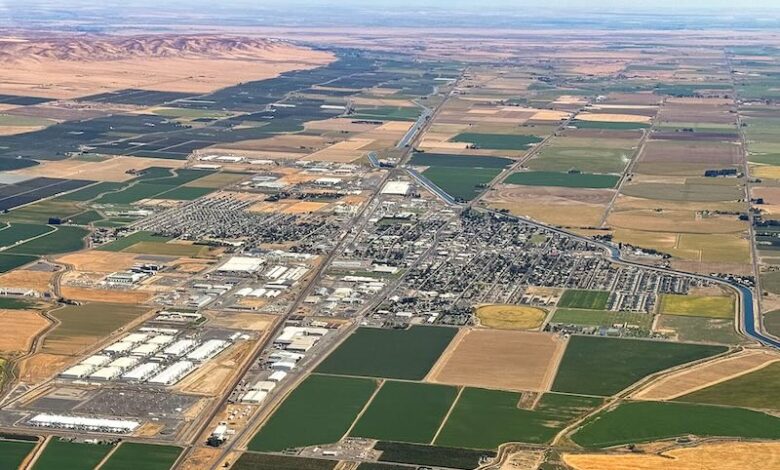
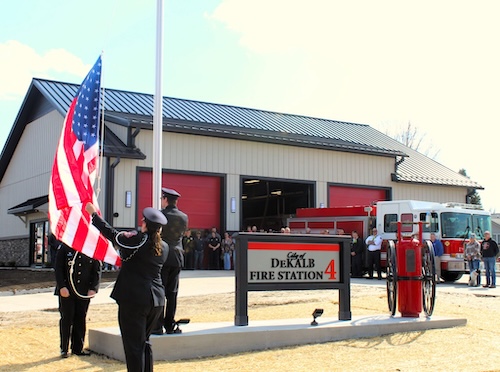
Quincy, Washington is a town of 8,500. Data Center revenue helped it repair long-neglected streets, build new fire and police stations, a hospital, city hall, and recreation center. Dekalb, Illinois got a new Meta data center in 2021. It paid nearly $50 million in property taxes to the town between 2021 and 2024. About 61% went to the school district, allowing construction of a new elementary school. It also generates $300,0000 annually in utility taxes alone and has provided grants to schools and area nonprofits.
In Richland Parish, Louisiana, population 20,000, a new Meta data center paid $42 million in taxes to the community in just nine months. More than twice the previous year’s pre-data center total. Teachers received bonuses up to $50,000, and the quality of life has improved for many parish residents.
Some counties have been able to reduce property taxes by thousands of dollars per homeowner.
How could that kind of investment change your community? It’s a question worth asking.
Whether a community chooses to approve a data center, the decision must rest on facts and commitments to enforce agreements. Opponents have the right to ask tough questions, and elected officials and developers have an obligation to hear and answer them. What we don’t need on either side are debates based on fear or exaggeration.
–Dwight Widaman is editor of Metro Voice