
Lost Pages of Paul’s Letters Discovered
Find sheds light on how early Christians read Bible
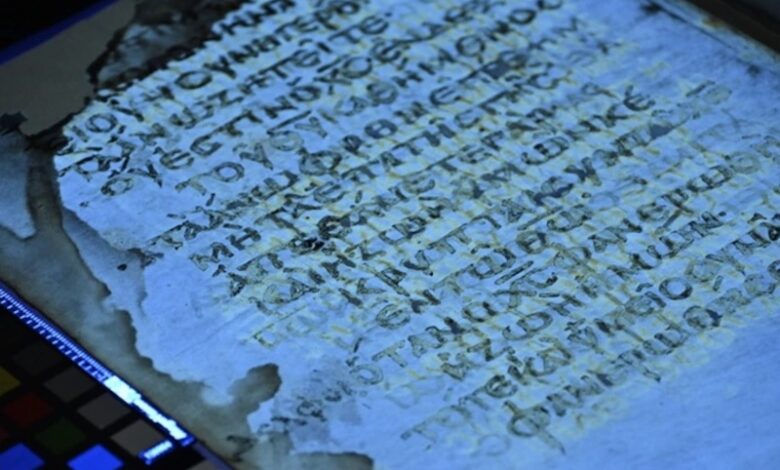
For centuries, pieces of one of Christianity’s oldest surviving manuscripts of Paul’s letters sat hidden in the bindings of other books, scattered across European libraries and largely forgotten. Now scholars say 42 missing pages have been recovered using advanced imaging technology that revealed text invisible to the human eye.
The discovery involves Codex H, a sixth-century Greek manuscript that scholars have termed GA 015. Researchers from the University of Glasgow and partner institutions around the world used multispectral imaging to uncover faint traces left behind after the manuscript was re-inked centuries ago. The process captures images across discrete electromagnetic spectrum bands and is often used to determine crop stress, barely visible terrain gradations and in medical and forensic applications.
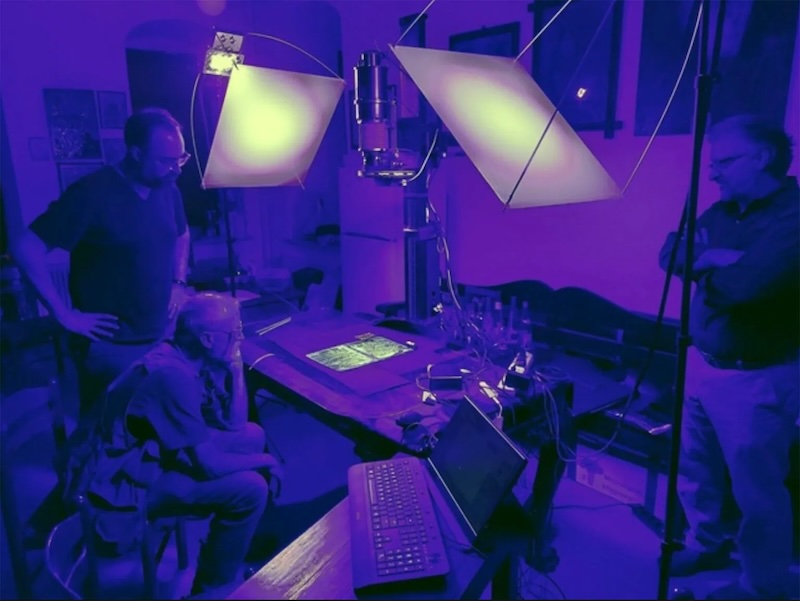
The results, scholars say, provide new insight into how early Christians copied, organized and studied the writings of the Apostle Paul.
At some point in the 1200s, monks at the Great Lavra Monastery on Mount Athos dismantled the aging manuscript and reused portions of its parchment in the bindings of newer volumes. That practice was common in the medieval world. Parchment was costly, and damaged manuscripts were often recycled rather than thrown away.
“We knew that at one point, the manuscript was re-inked,” Professor Garrick Allen of Glasgow said in comments released by the university. “The chemicals in the new ink caused ‘offset’ damage to facing pages, essentially creating a mirror image of the text.”
Researchers said those faint mirror impressions became legible through the modern imaging techniques.
What letter elements were recovered in the pages?
Among the recovered material are early chapter lists connected to Paul’s epistles. They do not match the chapter divisions found in modern Bibles and may reflect how some Christian communities grouped and taught Scripture before standardized and Western formatting emerged.
The pages also contain corrections and handwritten notes from scribes. Scholars say the markings offer a rare glimpse into the practical work of preserving sacred texts long before the printing press.
READ: Artifacts support the Bible’s history says new book
To confirm the manuscript’s age, researchers worked with specialists in Paris who conducted radiocarbon testing on the parchment. The dating aligned with the sixth century.
“Given that Codex H is such an important witness to our understanding of Christian Scripture, to have discovered any new evidence — let alone this quantity — of what it originally looked like is nothing short of monumental,” Allen said.
Allen called the recovery “nothing short of monumental” for biblical scholarship.
–Dwight Widaman
#ApostlePaul #BiblicalArchaeology #ChristianHistory #AncientManuscripts #DeadSeaScrolls #BibleDiscovery #CodexH #Scripture #Archaeology #FaithHistory