
Anne Bradstreet: Stirring Poems of a Puritan Wife
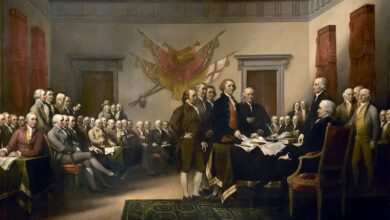
In 1620, the Pilgrims landed at Plymouth Rock. In 1776, the 13 colonies declared their independence from England. This year, we’re celebrating the 250th anniversary of this momentous event. Between those dates, countless generations, families, and individuals lived, loved, and worked as the fledgling colonies grew into a vibrant new civilization.
People today regard life in the American colonies of the 17th century as harsh, bitter, and austere. Deadly illnesses, primitive living conditions, and rigid Puritan moral customs marked the time. However, it was also a time of deep thinking, meaningful spirituality, and inspiring faith, which was beautifully captured in the poetry of Anne Bradstreet.
One of the greatest poets of New England’s early days described every aspect of Puritan life—including marriage, children, nature, death, and faith—in rhyming couplets. This prolific writer was a wife and mother who found time to pen hundreds of verses along with caring for her husband and eight children in several settlements.
A Puritan Immigrant
Anne was the first Puritan writer in American literature and indeed the first published author from the British Colonies in North America. Although an indisputable voice of early Americans, she was born in Northampton, England, to a prominent Puritan family in 1612; her birth name was Anne Dudley.
It’s a common misconception that most men of this era couldn’t read, let alone women. Anne was an example of a well-educated girl in Elizabethan England. Her father’s position as steward to the Earl of Lincoln gave her access to a vast library. She was tutored in the Classics, like languages, history, and literature.
Her father encouraged her education and appreciated her intelligence, so she dedicated many of her writings to him.
Anne emigrated to the New World with her parents and husband, Simon Bradstreet, in 1630, as part of the Winthrop Fleet. This fleet of 11 ships brought between 700 and 1,000 Puritan settlers to Salem in the Massachusetts Bay Colony. There, both Anne’s husband and father would eventually become colonial governors.
READ: Robert White on American History Worth Knowing
Over the next 22 years, the Bradstreets moved six times, and Anne bore eight children. She suffered from various illnesses throughout her life, and all her children survived infancy, which was unusual at the time.
An American Poetess
During her first years in America at the age of 19, Anne wrote her earliest known poem, “Upon a Fit of Sickness, Anno 1632 Aetatis Suai, 19.” In this stanza of the poem, one can already see her themes of faith amid struggles with mortality and the fleeting nature of human existence:
O Bubble blast, how long can’st last?
that always art a breaking,
No sooner blown, but dead and gone,
ev’n as a word that’s speaking.
O whil’st I live, this grace me give,
I doing good may be,
Then death’s arrest I shall count best,
because it’s thy decree.
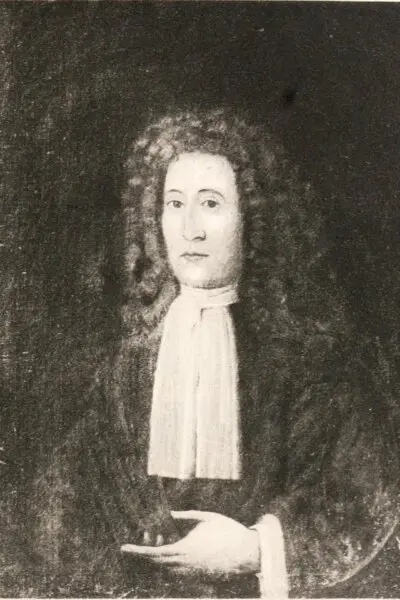
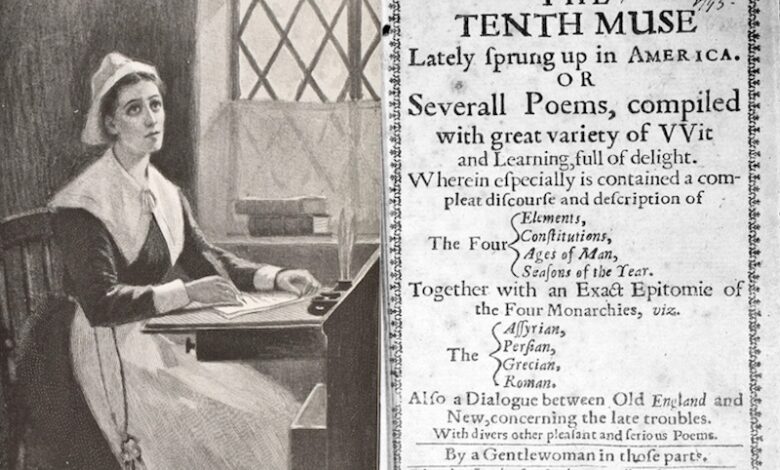
In 1650, Rev. John Woodbridge, Anne’s brother-in-law, brought her writing to the public eye. He arranged a volume of her poetry to be published in London: “The Tenth Muse Lately Sprung Up in America,” written “By a Gentlewoman in those parts.” The optional title was “Severall Poems, compiled with great variety of Wit and Learning, full of delight.”
A portrait of John Woodbridge, who published the first collection of Anne Bradstreet’s poetry. (Public Domain)
The collection included four quaternions, long-form poems in four parts each, titled “The Four Elements,” “The Four Humors of Man,” “The Four Ages of Man,” and “The Four Seasons of the Year.”
Other works in “The Tenth Muse” included the epic “The Four Monarchyes, the Assyrian being the first, beginning under Nimrod, 131. Years after the Flood,” a work of great historical breadth; the poem set forth the divine plan for the world’s nations.
In the more personal “Dialogue Between Old England and New,” she lamented the religious strife which forced her family to leave their comfortable life in Europe. Her tender memorial poem “In Honor of That High and Mighty Princess Queen Elizabeth of Happy Memory” celebrated how Queen Elizabeth demonstrated feminine intelligence.
“The Tenth Muse” also had poetic tributes to Sir Philip Sidney and Guillaume de Salluste Du Bartas, earlier writers who influenced her.
A second edition of “The Tenth Muse” was published in Boston in 1678, six years after Anne’s death. This collection included many of the poetess’s later writings, including “The Author to Her Book,” a witty address she wrote after the original publication of “The Tenth Muse.”
Other poems in the second edition were epitaphs to her parents, her daughter-in-law, and grandchildren; “Flesh and the Spirit”; love poems to her husband; poems about various illnesses; and what’s often considered her greatest work, “Contemplations.” These later works reveal a more candid, personal style, expressing her honest thoughts and feelings.
Anne’s Style
In her four decades of writing poetry, Anne’s style and voice gradually changed. She shifted from imitation of poetic greats in her earlier days to her own authentic voice. These poems served as a journal for this colonial wife and mother, giving her an outlet to meditate on and cope with the joyous and tragic events of life.
An ever-present theme in her writing is faith, a central focus of Puritan life. Every event, whether misfortune or blessing, was seen as God’s will. Each came for a particular purpose of punishment, correction, or turning human thoughts to the divine.
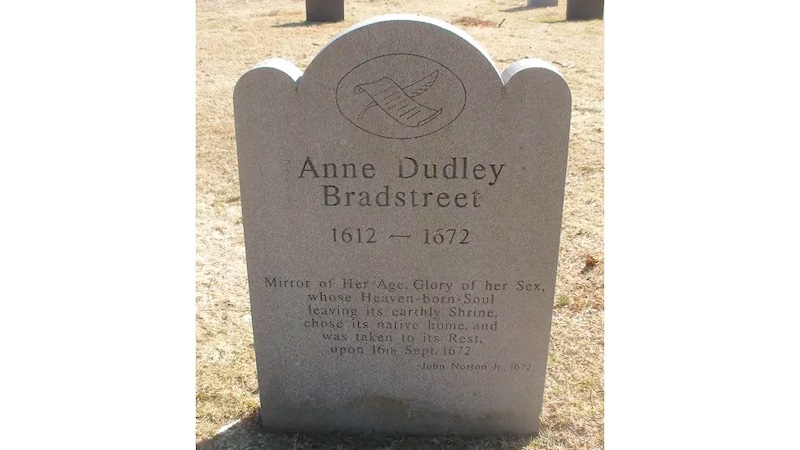
Anne didn’t blindly obey this creed, nor did she rebel against it. Rather, she humbly submitted herself to the tenets of her deep faith. At the same time, she was unafraid to express her very relatable human emotions in her poetry. She openly admitted her attachment to the world while acknowledging man’s inevitable mortality. She longed for heaven because of its promise of eternal life.
Anne frequently wrote about the beauty of nature. She expressed how it inspires joy and reflects the majesty of its maker, such as in her lauded “Contemplations.” One of the most heartwarming aspects of her poetry is her candid expression of love for her family members, especially her husband. In a time associated with loveless marriages arranged for the sole purpose of procreation, Anne wrote of her happiness with and passion for her spouse, longing for him when he was away on business.
In the foreword to “The Tenth Muse,” Woodbridge wrote that the collection “is the work of a Woman, honored and esteemed where she lives,” explaining that “these poems are the fruit but of some few hours, curtailed from sleep and other refreshments.”
Can we not marvel at this woman who used her time in a new nation to nourish the souls of its people with beautiful words?
What arts and culture topics would you like us to cover? Please email ideas or feedback to features@epochtimes.nyc
By Tiffany Brannan | Epoch Times News Service