
Pope Leo Criticizes Trump, Brings Scrutiny to Vatican’s Own Security Policies
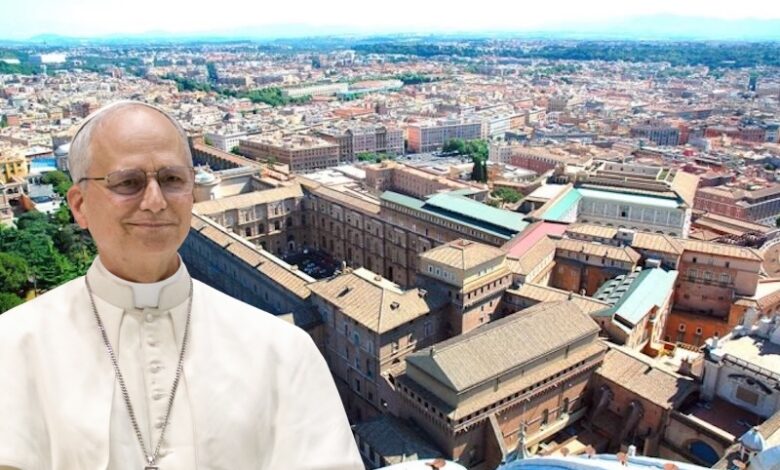
Pope Leo XIV’s pointed admonition of President Donald Trump’s immigration policies this week drew immediate attention for its moral clarity. But the remarks also reopened an uncomfortable debate about how the Vatican itself handles people in its custody – a system critics say has long relied on Italy’s jails and has a record of harsh conditions described in previous BBC and Vatican reports.
Leo, the first American pope, offered blunt support for U.S. bishops who last week issued a rare “special message” condemning the Trump administration’s mass deportations and what they called the “vilification” of migrants. The bishops warned that raids had sown fear in immigrant communities and even cut off pastoral care for Catholics being held in detention.
“I think we have to look for ways of treating people humanely, treating people with the dignity that they have,” Leo told reporters as he departed the papal summer residence south of Rome. He stressed that every nation has the right to control its borders but said long-settled immigrants should not be treated “extremely disrespectfully.”
Comments by Pope Leo elicit a critique of Vatican policies
Yet the pope’s forceful moral appeal also invites comparison with how the Vatican and Italian authorities have handled those arrested inside the Holy See – an issue revived by several recent, high-profile disturbances at St. Peter’s Basilica.
In February 2025, a man climbed onto the basilica’s main altar and toppled candelabras before being apprehended by Vatican security. In October, another man was quickly whisked away after urinating on the Altar of the Confession during Mass, an incident that went viral on social media, not only for its vulgarity but also for the Vatican security’s swift action. Vatican spokesman Matteo Bruni told ANSA that the offender was placed “at the disposal of the Italian authorities,” a standard practice under the Lateran Treaty.
These were not isolated incidents and are actually fairly common. In 2023, a Polish man protesting the war in Ukraine stripped naked, climbed onto the altar, and was detained by the Gendarmerie before being handed to Italian police and issued an expulsion order to remove him from Italy, Vatican News reported at the time.
Most individuals arrested for trespassing or disorderly conduct in Vatican territory – including the surrounding St. Peter’s Square – are taken first to the Vatican’s cramped police station. Few remain there for long and do not have the luxury of court appeals or public defenders. As the BBC’s David Willey has documented in an eye-opening investigation, the Vatican maintains only a handful of short-term detention cells and uses them sparingly. Long-term sentences are typically served in Italy’s notorious prison system at Vatican expense.
Vatican security also regularly checks the credentials and ID of individuals in St. Peter’s Square, something not uncommon among US immigration agents currently working across the U.S.
The disparity between the pope’s critique of U.S. policies and the Holy See’s own practices is not lost on observers. Vatican lawbreakers, even those accused of minor acts, are quickly, and summarily transferred into Italy’s criminal justice system, where conditions have been the subject of repeated news reports and complaints by human rights groups.
Well-documented case
One of the most well-documetned stories is of Paolo Gabriele, the former butler to Pope Benedict XVI. The Italian was held in a Vatican cell after leaking papal documents. He recounted to the court how he was kept for 15 days in a small room where the light remained on around the clock, leaving him scarcely able to stretch his arms, sleep or eat. Vatican police claimed the measures were meant to prevent self-harm and asserted Gabriele had “requested” the light remain on 24 hours per day. The episode highlighted the tight confinement and minimal amenities of Vatican detention.
Others never make it that far. Offenders perceived as disruptive – including altar climbers, vandals and protestors – are regularly expelled from Vatican territory after brief interrogations. Some face prosecution once in Italian custody; others simply disappear into the Italian legal system, removed from Vatican sight but not necessarily from hardship or deportation out of the public eye.
Leo, who urged Americans this week to “listen” to their bishops, did not address the Vatican’s own reliance on Italy’s prisons or the complaints that have surfaced there over the years. Instead, he framed his unusual dip into American politics squarely around U.S. policy and what he described as the “dignity” owed to individuals living illegally within the borders of the United States.
Longstanding critics of the Vatican would point out that immigrants in U.S DHS custody have more rights and legal avenues than do those arrested by Vatican security forces.
Still, as the pope chooses to wade into polarizing U.S. government policy debates, the contrast between his rhetoric and the Vatican’s sometimes draconian procedures for individuals illegally in its own walls, or doing things that are deemed illegal, is likely to sharpen scrutiny of the double standard.
For now, the Holy See maintains that its actions conform with international norms and that criticisms of the responsibility for long-term detention lies with Italy-not the Vatican. But critics argue that moral authority cuts both ways – and that for Pope Leo, the call for humane treatment may resonate just as loudly inside his own tall and strong Vatican walls as it does along America’s border walls with Mexico.
-Dwight Widaman | Metro Voice
Background substantiated by Metro Voice’s digital research assistant.