
What Is Biblical Archaeology? History, Faith, and Context
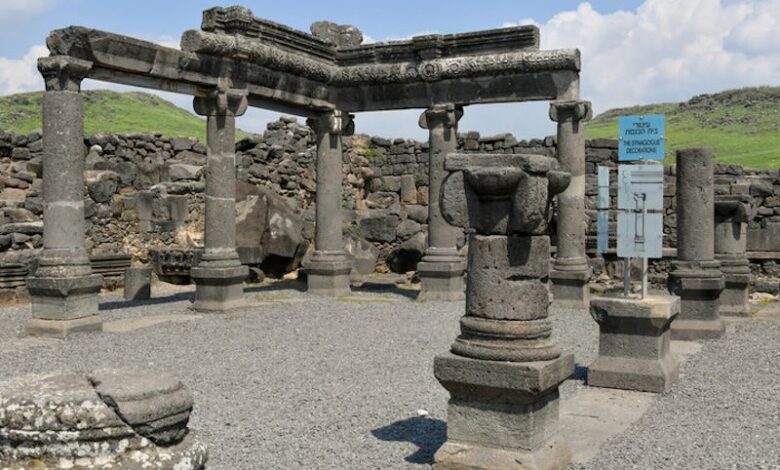
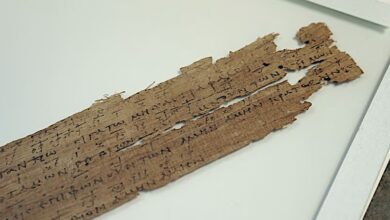
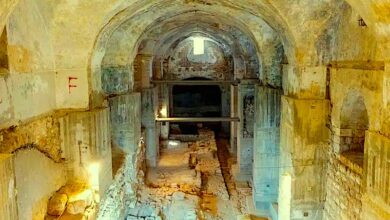
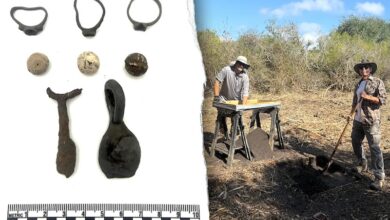
Archaeology is the study of the material culture left behind by previous civilizations. Biblical archaeology, then, is simply archaeology conducted in the lands of the Bible — places like Egypt, Jordan, and especially Israel.

I see biblical archaeology as any excavation or examination of epigraphic materials that help illuminate the biblical narrative or broaden its context. There are, however, many archaeologists working in Israel who avoid calling themselves biblical archaeologists. In fact, some resent the term. Bill Dever, a prominent figure in the field, has even suggested the label “Syro-Palestinian archaeology” instead. In my view, that’s a form of cancel culture within the world of historians.
Another question that often comes up is: what’s the point of biblical archaeology? Hebrews 11:1 says, “Now faith is confidence in what we hope for and assurance about what we do not see.” We have to be careful to always prioritize faith over evidence. God credits faithfulness as righteousness.

While biblical archaeology does have apologetic value, I believe its greater contribution is to hermeneutics. The Bible addresses both the physical and spiritual realms. Archaeology can only illuminate the physical, but it does that well. Its insights are immensely important for biblical translation, and for understanding chronology and geography.
Archaeology provides the environmental, social, and political background to the stories we love but often struggle to imagine in their original setting. One thing I’ve had to watch for in my own journey is making sure the Bible doesn’t become just another textbook. It must remain, first and foremost, a source of inspiration. For me, the Bible always gets priority over archaeology.
–Shelley is a friend to Metro Voice and is the author of The Copper Scroll Project and host of the Bible Fiber podcast. She’s also the president of the Jerusalem Connection.