

Victor Glover Faith Message After Historic Artemis II Mission
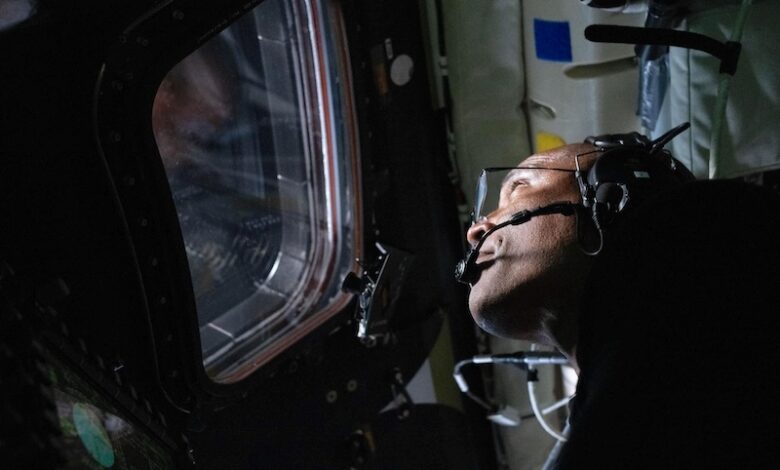
Astronaut Victor Glover returned to Earth a week ago with the same message he carried beyond the Moon: Jesus saves.
The Artemis II crew splashed down April 10 in the Pacific Ocean, completing a mission that pushed humanity farther into space than ever before. NASA officials pointed to distance, data and what comes next. Glover, as he often did before, during, and in the days after the flight, talked about something else.
Love. And where it comes from.
“As we continue to unlock the mystery of the cosmos,” Glover said during the mission, “I’d like to remind you of one of the most important mysteries there on Earth, and that’s love.”
It was an unusual, but welcome message, and he tied that directly to Scripture, referencing Jesus’ teaching on loving God and our neighbors. It was a theme he returned to repeatedly, his authenticity proving they were not rehearsed moments.
As the capsule zoomed through space and Easter approached, he was reflective on what he called a shared moment, encouraging, “whether you celebrate it or not, whether you believe in God or not, this is an opportunity for us to remember where we are, who we are and that we are the same and that we got to get through this together.”
Glover, a longtime Sunday School teacher, also brought a Bible with him on the flight. He said reading it in space didn’t feel symbolic. It’s been done before. For him, it felt vitally necessary. Even urgent.
“When I read the Bible and I look at all of the amazing things that were done for us, who were created, you have this amazing place, this spaceship. You guys are talking to us because we’re in a spaceship really far from Earth,” he said during an Easter Sunday interview from orbit, “But you’re on a spaceship called Earth that was created to give us a place to live in the universe, in the cosmos.”
Standing on the recovery deck after splashdown, still in his flight suit, Glover said the perspective hadn’t faded.
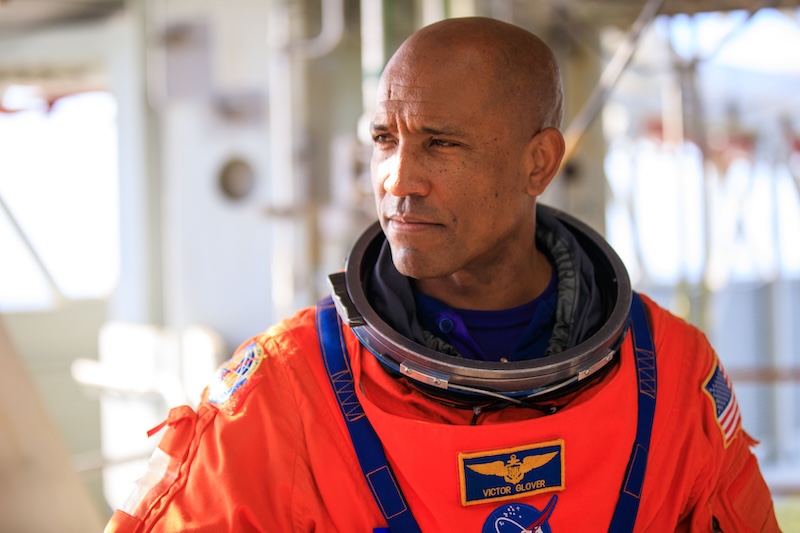
“I’m going to keep it brief, because I don’t … I’m afraid to start talking,” Glover said after returning. “I have not processed what we just did, and I’m afraid to start even trying.”
He paused as if deep in thought, then added one more thing.
“Even bigger than my challenge trying to describe what we went through [is] the gratitude of seeing what we saw, doing what we did, and being with who I was with,” Glover said. “It’s too big to just be in one body.”
Faith, he said, was never something he left behind on Earth, a point he emphasized more than once during the flight.
“As we continue to unlock the mystery of the cosmos,” he said, repeating the idea in another moment, “I’d like to remind you… that love matters.”
And he made clear it wasn’t just about words spoken in space, but something he carried into the mission itself.
NASA shared a video of Glover’s Easter message on Instagram, and social media erupted with support.
“I can’t tell you how impactful this statement is #victorglover. How beautiful,” one posted.
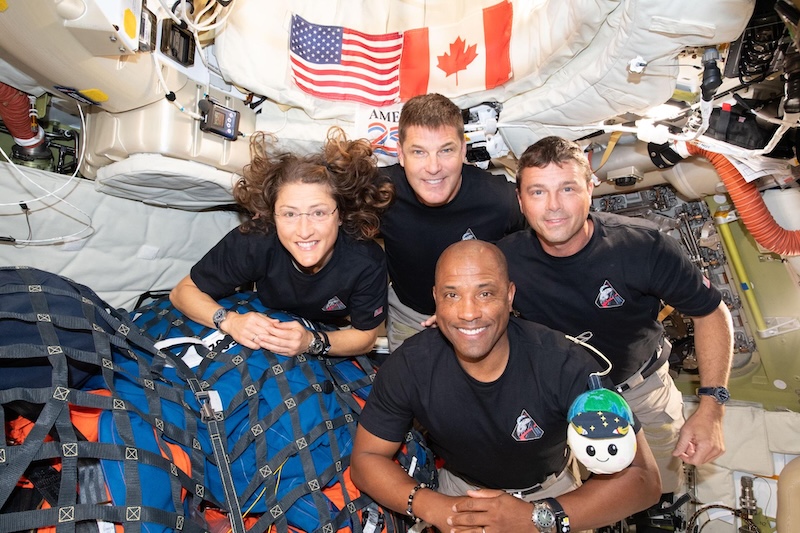
He was accompanied on the mission by Jeremy Hansen, who carried four moon pendants previously worn by his wife and children, Reid Wiseman who journaled while looking at the moon and Earth, and Christina Koch who carried personal notes from her friends and family.
The mission itself drew renewed attention to space exploration. The crew broke a distance record set by Apollo 13 in 1970. Along the way, they delivered a stream of beautiful and otherworldly images back to Earth, including a rare total solar eclipse.
When pushed by a reporter to make his accomplishment about him as a Black man, Glover declined to take the bait, instead saying he represented “all of humanity.”
NASA says the data collected will shape the next phase of lunar missions. “The conversations and the science lessons learned are just beginning,” NASA scientist Kelsey Young said.
Still, for Glover, it was more than just about the data.
From deep space, Glover said, the message wasn’t complicated.
“Christ said, in response to what was the greatest command, that it was to love God with all that you are… and he also… said the second is equal to it, and that is to love your neighbor as yourself.”
–Dwight Widaman | Metro Voice