
Elon Musk Affirms Belief in Creator, Draws Global Attention
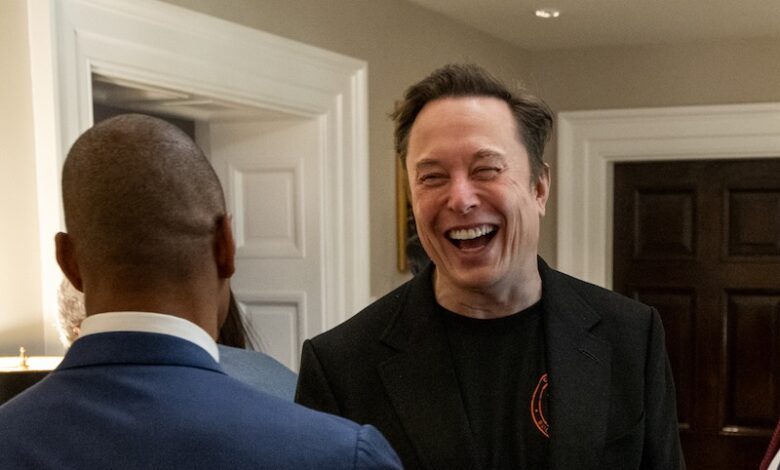
The world’s richest man isn’t shy about what led to the creation of the universe. In a moment that shed light on his inner thoughts, Elon Musk offered an unexpectedly candid answer during a recent appearance on the Katie Miller Podcast. Asked who he looks up to most, the Tesla and SpaceX founder didn’t cite his scientist mentors, political leaders, historical figure or even his mom. Instead, he replied, “The Creator.”
When host Katie Miller pressed him on what he meant, Musk doubled down. “God is the Creator,” he said, prompting visible surprise of the host. Miller, the wife of White House adviser Stephen Miller, followed up with the assumption Musk is an atheist, asking, “You don’t believe in God, though, do you?”
Musk paused, then widened the frame. “Well, I believe this universe came from something. People have different labels,” he replied, adding, “I believe this universe didn’t come from nothing.”
For a man more often associated with rockets and algorithms than theology, it was a rare glimpse of spiritual candor—and one that complicates the tidy labels often attached to him.
It is true that Musk has long been described as an atheist, but his public comments tell a more nuanced story. After the death of conservative activist Charlie Kirk, Musk surprised followers on X by urging them to “Go to church,” echoing a plea from Kirk’s widow, Erika. Two years earlier he said he may go to hell and most humans would end up in hell, too.
The tension surfaced again in a wide-ranging 2024 conversation with psychologist Jordan Peterson, where Musk described himself as a “cultural Christian,” as reported by Metro Voice. He noted he was raised Anglican and baptized—language borrowed from outspoken atheist Richard Dawkins, who has nevertheless lamented Christianity’s decline in the West and commended the teachings of Jesus.
Yet Musk’s engagement hasn’t been merely academic. In a pointed post on X, he warned that “Christianity has become toothless,” arguing that without moral courage, it risks fading into irrelevance. Depending on the reader, the remark lands as either a critique from the outside or a challenge issued from the edge of belief.
Musk, one of the most interviewed private individuals in the world, continues to answer the questions about faith when asked, unlike many scientists who shy away from the topic. It’s clear he isn’t done wrestling with the existential questions. As his influence continues to expand far beyond Silicon Valley, so does curiosity about where he stands on matters of meaning and origin. For a man often cast as a secular prophet of the future, his words suggest the oldest questions still loom large in his soul.
–Dwight Widaman