
Kansas City Historian Examines Christianity’s Role in American History
Kansas City is famous as a crossroads of American westward expansion history. In Independence and Westport, early pioneers gathered provisions before heading west on the wagon wheel-worn Santa Fe, Oregon, and California trails. Among them were Christian missionaries. Some stayed to open outpost missions, businesses and schools as native communities, settlers, and merchants crossed paths on the frontier.

This rich local history provides a natural backdrop for Thomas S. Kidd, a church historian at Midwestern Baptist Theological Seminary in Kansas City, as he considers one of the country’s oldest arguments: Was the United States founded as a Christian nation?
Kidd says the answer depends on what people mean by the question.
“If the idea is, ‘Was Christianity influential on the American founding?’ the answer is clearly yes,” Kidd said in an interview with Crosswalk Headlines’ Michael Foust.
The Declaration of Independence’s claim that people are created equal and receive rights from their Creator assumes both the existence of God and a moral order that stands above government, Kidd said.
But America’s founders did not establish an official national church.
Unlike England, where the Church of England enjoyed government support, the new nation prohibited Congress from establishing a religion while protecting its free exercise. Kidd explores that tension in his book, “God of Liberty: A Religious History of the American Revolution.”
A review in The Pathway, the news journal of the Missouri Baptist Convention, noted that Kidd looks beyond a handful of famous founders. Although Thomas Jefferson and Benjamin Franklin were not your typical colonial Christians, many other Americans involved in the Revolution held beliefs not much different from those of Christians in the 21st Century.
READ: The hidden spiritual advice on the Franklin Cent
Many early Americans were spiritually impacted and shaped by the Great Awakening. This series of revivals swept through the colonies before the Revolution. The movement emphasized personal conversion, or being “born again”, and evangelism, but also helped ignite a thirst for religious liberty.
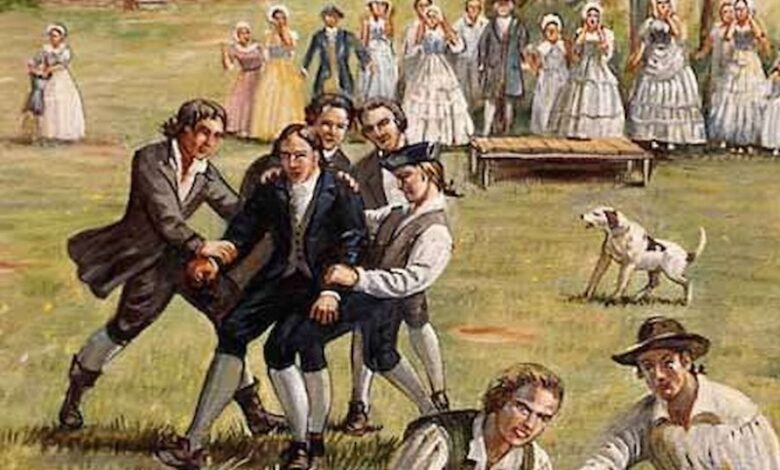
Baptists understood the issue firsthand. Ministers were sometimes fined, beaten, or jailed for preaching without government approval in colonies with official, established churches.
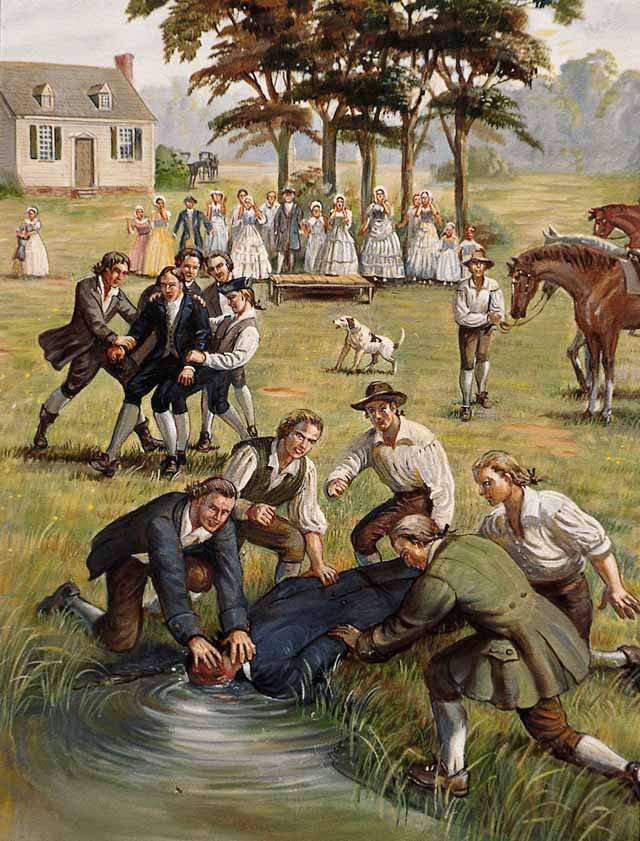
One such incident is chronicled by Northampton County, Virginia, in its account of the state historical marker for Baptist preacher Elijah Baker. In 1778, he was imprisoned in the Old Debtor’s Prison in what is now Accomac, Virginia. His crime? Preaching without a license.
Historical records also reveal that dozens of Virginia Baptists and others were prosecuted for sharing the Gospel outside the established church at the time. Most spent jail time for their “crime”.
They wanted the government to leave them alone so they could have full religious liberty and preach the gospel in freedom
This history in the colonies, and later the new nation, explains why Baptists grew to be some of the strongest proponents for separating church and state. They were not trying to remove Christianity from public life or weaken its influence on government. They wanted to prevent government officials from controlling churches, licensing preachers or deciding which denomination deserved special treatment.
“They wanted the government to leave them alone so they could have full religious liberty and preach the gospel in freedom,” Kidd states.
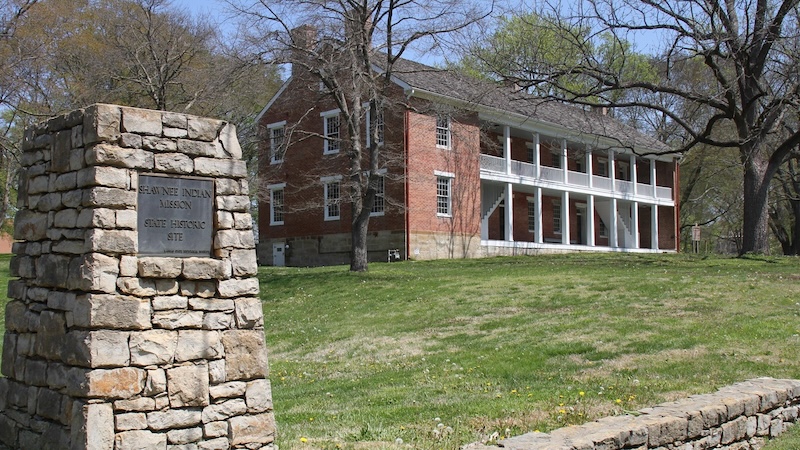 That religious impulse later traveled west with the nation. The Shawnee Methodist Mission, established near the Santa Fe Trail in present-day Fairway, became part of the Kansas City area’s early religious and cultural history.
Kidd comes to much the same conclusion about America. Christianity deeply shaped the founders’ language, political ideas and understanding of human rights. At the same time, the Constitution rejected a government-run national denomination.
That history adds context to today’s arguments over Christian nationalism and the role of faith in public life. For early Baptists, religious freedom did not mean silencing Christianity. It meant giving the church room to preach, worship and persuade without asking permission from the state.
–Dwight Widaman
#ChristianHistory #AmericanRevolution #ReligiousLiberty #ThomasKidd #America250