
Pandemic learning loss still grips nation’s classrooms
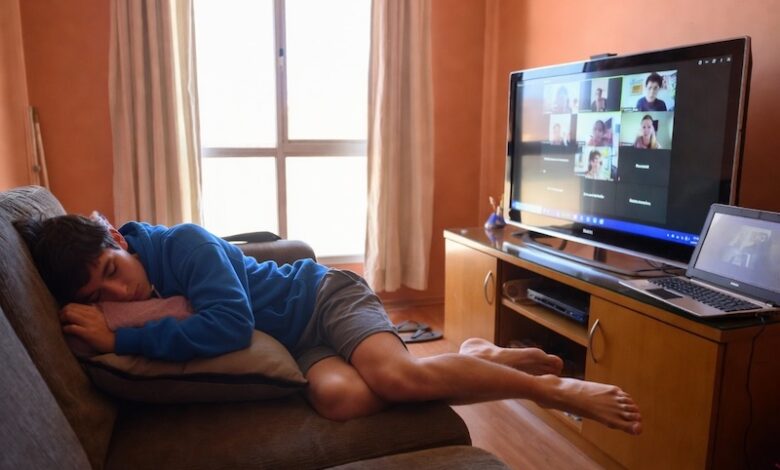
The nation’s schools still show the lingering effects of mandated shutdowns during the pandemic more than five years later. Although researchers continue to analyze the long-term effects of pandemic learning disruptions, students remember what they missed most, such as time with classmates, sports seasons, school traditions and milestones such as prom.
For some families, however, the pandemic led to unexpected opportunities.
“The Zoom classes just did not work,” homeschool parent Angie James told CBN News this week. “We knew immediately this was not something we were going to stick with. We pulled the girls out, we did our own thing and we’ve never turned back.”
For the vast majority of students who remained in public schools, however, the effects of remote learning continue to influence academic achievement. A new Education Recovery Scorecard, produced by researchers from Harvard University, Stanford University and Dartmouth College, shows academic recovery taking the shape of a “U.”
School districts with the fewest resources have seen some of the strongest gains, largely because they received substantial federal pandemic relief funding. Students in the wealthiest districts also are recovering relatively quickly. Middle-income school districts, however, are lagging behind. Districts where roughly 30 percent to 70 percent of students qualify for free or reduced-price lunch often received less funding than higher-poverty districts, while facing greater challenges than wealthier communities.
School achievement began to decline well before the pandemic began, Harvard professor Tom Kane said. “The ‘learning recession’ started a decade ago, after policymakers switched off the early warning system of test-based accountability and social media took over children’s lives,” he said.
There were lots of alarms taking place all across the country saying we may have a problem
The scorecard shows eighth grade reading scores have fallen to their lowest levels since 1990, while fourth grade reading scores have dropped to levels not seen since before 2003.
“There were lots of alarms taking place all across the country saying we may have a problem — we’re seeing gaps widen, we’re seeing students not make the progress we would expect to see,” said Christina Grant, Ph.D., of Harvard University.
Stanford professor Sean Reardon said the challenge is clear. “It’s time now to make our public schools once again the engine of the American dream.”
–Alan Goforth
#PandemicLearningLoss #Education #PublicSchools #StudentAchievement #Homeschooling