
Under the Same Sun: Defending the Dignity of People with Albinism in Africa
Simple Google search led to worldwide movement
What started as a quick Google search became the spark creating a global movement on behalf of individuals with Albinism.
One day in 2008, Peter Ash was sitting in his home in Vancouver, Canada, when he decided to Google albinism, the genetic condition he was born with. What he found shocked him. He came across an investigative article from the BBC World Service that exposed the attacks and killings of people with albinism in Tanzania.
A Metro Voice Special Report | Lyra Thompson
The discovery touched him deeply. After a restless night, Ash knew he had to do something.
A Dangerous Superstition
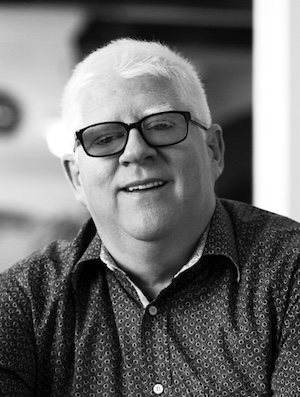
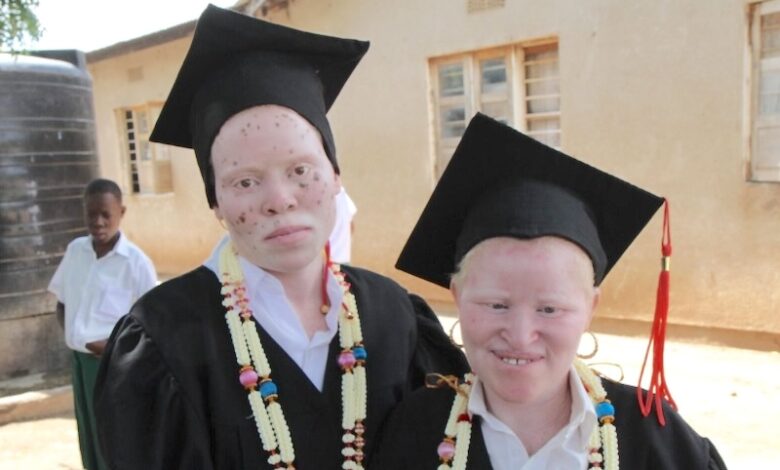
Albinism is a genetic condition that causes little to no pigment in the hair, skin, and eyes. As a result, people with albinism are much more sensitive to light and susceptible to skin damage and skin cancer. The condition also causes varying degrees of visual impairment.
In the excruciating heat and sun of sub-Saharan Africa, people with albinism are even more at risk. They also often lack access to sunscreen, hats, and other sun protection.
READ: Children with Albinism killed in Tanzania for body parts
But the sun isn’t the only danger Africans with albinism face. In Tanzania and other countries, harmful superstitions abound. The body parts of people with albinism are falsely believed to possess magical powers that can be used in witchcraft, a practice prevalent in many African countries. Witch doctors fuel this lie, and thus people with albinism are hunted, dismembered, and killed in an attempt to gain wealth, power, or good luck.
Called to Create Change
Despite the prevalence and severity of these attacks, there was little awareness of them until the BBC report Ash discovered. In the report, Tanzanian journalist Vicky Ntetema used a hidden camera and went undercover as a businesswoman wanting to get rich.
“I saw the video of this witch doctor promising to use albino body parts to make her wealthy,” Ash recalls.
He couldn’t sleep that night. His wife noticed and asked what was wrong.
I feel I can’t leave this alone. This might be it. I feel called to do something about this.
“I told her what I had discovered, and I said to her, ‘I feel I can’t leave this alone. This might be it. I feel called to do something about this.’”
Soon after that night, Ash took an exploratory trip to Tanzania to see what could be done to help people with albinism there. He hoped to financially support an existing organization, but he quickly learned there were very few groups for people with albinism in Africa. Many countries had small, volunteer-run organizations, but nothing with a global scope or significant funding.
He also discovered more about what the lives of people with albinism were like in Africa at the time.
“Most of them were very poor, very uneducated, and corruption was a big problem,” he says. “If they were given money, often the money would not go where it was supposed to go. I realized if I was going to make a difference, I needed to start something from scratch.”
Change in Action
Spurred on by what he had seen, Ash got in touch with Ntetema and then made plans to have an office and staff. Soon, Under the Same Sun (UTSS) was born.
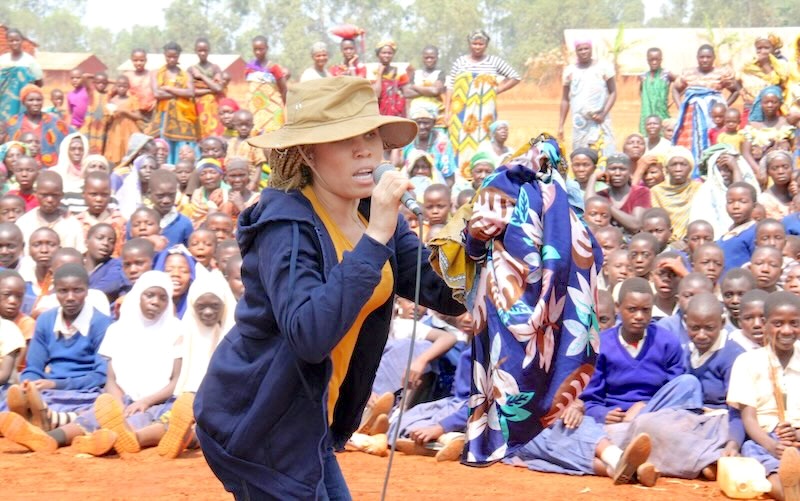
From its earliest days, UTSS has focused on battling discrimination and empowering people with albinism. It’s worked with legal groups to protect the rights of people with albinism. Through its education program, UTSS has prepared hundreds of students with albinism in Africa to achieve success, from elementary school to university.
The organization’s work on both an international and individual level continues today. But alongside advocacy and education, UTSS addresses the root cause of much discrimination: working to change attitudes and behaviors toward people with albinism. The organization’s ultimate goal is to help people with albinism be “fully contributing members of an inclusive and equitable society.”
The efforts of Under the Same Sun have also raised greater awareness of albinism globally. In 2014, led by UTSS, the United Nations declared June 13 as International Albinism Awareness Day. The day is celebrated yearly by the albinism community.
Ash attributes two main things to founding UTSS: having albinism himself and his unwavering Christian faith.
A Personal Conviction
Ash attributes two main things to founding UTSS: having albinism himself and his unwavering Christian faith.
He shares that he wouldn’t have had the same drive to help the cause if he didn’t have albinism. When he came across the BBC report, Ash reflected on his own upbringing.
“I faced name-calling and bullying and all of that growing up,” he says,” but I never had to worry going to bed at night that someone would break through the door of my home with a machete and cut my limbs off because I had albinism.”
Having the condition himself gave Ash a better understanding of and personal connection to the people with albinism in Tanzania
Having the condition himself gave Ash a better understanding of and personal connection to the people with albinism in Tanzania, even though they were on a different continent.
“The Lord put it on my heart very early on,” Ash explains. “He said, ‘Peter, these are your people, and they have the same genetic DNA that you have. They just happen to be Tanzanian. You happen to be Canadian, and you need to help them.’”
Faith at the Center
Having attended Bible college and been a pastor for ten years, Ash says his faith is integral to the organization. He believes he would not have the strength to accomplish the work he does without the power of God.
Anybody who tries to do this work without the Spirit of God and the Word of God as a resource would fail because you’re dealing with the powers of hell.
“Anybody who tries to do this work without the Spirit of God and the Word of God as a resource would fail because you’re dealing with the powers of hell,” he says.
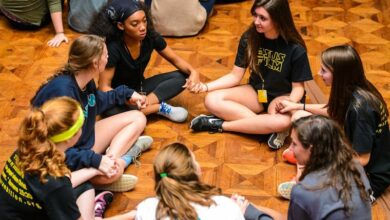
Under the Same Sun is not shy about its Christian nature. Ash shares that UTSS puts on a Christian summer camp every few years where students learn about the Bible and attend chapel.
But the organization helps kids regardless of their personal beliefs. “If a kid doesn’t have a faith or they’re Muslim or Christian, it doesn’t matter,” Ash says. “If they have albinism and they’re in need, we’ll put them in school and pay for their education and love them.”
Ash, firmly believing in the principle that the love of Christ compels His children to love others, treats every child in Tanzania he’s served as if they were his own.
“People often ask me how many kids I have. I say I have one in Canada and about 400 in Tanzania.”
Growth and Impact
Under the Same Sun began in Tanzania, but it has since grown to serve people with albinism all across Africa. UTSS has worked with the United Nations and the African Union. Ash also launched the African Albinism Network, which is now an independent group continuing the work of UTSS in other countries.
According to the organization’s website, over 400 students with albinism have received an education since it began. Many have graduated from university and are now employed.
“We have one young lady who’s in medical school,” Ash shares. “She’s going to become the first medical doctor with albinism in Tanzania. That wouldn’t have happened 18 years ago.”
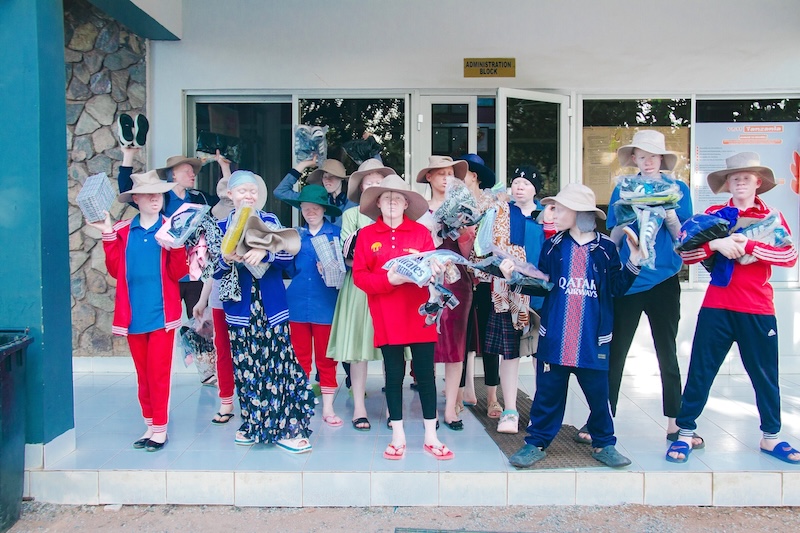
Ash describes the change he’s seen in the status of people with albinism in the country. They went from begging on the streets and dying of skin cancer, he says, to being intelligent, healthy, and successful.
Part of UTSS’ impact comes from Ash’s “four rules:” believe in God, believe in yourself, work hard, and have fun. He and his staff empower students to have confidence, which has resulted in lives changed.
The organization has also seen changes in the treatment of people with albinism in Tanzania, through its public education efforts. Before Under the Same Sun, people with albinism were publicly called names such as zeru-zeru, a term for an invisible, ghostlike creature. Now, that seldom happens.
Bumps Along the Way
The tremendous success of Under the Same Sun has not been without challenges. Ash and the organization have been in conflict with powerful people, including the Tanzanian government itself.
“The government of Tanzania was not a big fan of me,” Ash says. “Many powerful politicians and business people in the country use witch doctors, and I was publicly condemning what they were doing and exposing it to the world.”
Because of the hostility, he brings security with him on every visit to Tanzania.
Beyond the risks to his safety, Ash also shares the emotional weight of his work. The graphic nature of the attacks against people with albinism, he says, is not something people in the Western world like to talk about.
They’re dismembered limb by limb while they’re alive
“They’re dismembered limb by limb while they’re alive,” he says. “I know the siblings of these children who watched it happen.”
Mwigulu’s Story
Despite the challenges, powerful stories show how Under the Same Sun has made a difference, like one about a boy named Mwigulu (pronounced muh-goo-loo).
When he was a young child, Mwigulu was attacked and had his arm chopped off. Ash shares that the boy was originally very shy and fearful. But Under the Same Sun provided him with medical treatment and a prosthetic and supported his education. Now Mwigulu is fluent in English and has higher self-confidence.
Years later, Mwigulu played a pivotal role in a court case against the government of Tanzania. When he was around 20 years old, UTSS brought him in as a witness.
“He approached this witness stand with one arm, held the Bible up with the other arm,” Ash recalls.
The government lawyers hit hard, verbally attacking and trying to intimidate the boy to be silent. But Mwigulu wouldn’t back down. He boldly spoke the truth about what had happened to him and countless others with albinism.
A year later, the results of the trial came back. Under the Same Sun had won on every count. The Tanzanian government was found guilty of violating the human rights of people with albinism.
A Responsibility Beyond Borders
Some people may feel that these atrocities happening a continent away are of little importance to them. Tanzania is thousands of miles away, they’ve never met a person with albinism, and they will never personally be affected. But Ash argues that compassion is not limited by distance.
He believes that, for Christians especially, we all have a duty to care for persecuted people, no matter how far away they are.
Maybe in this world they don’t live in your country, your city, your town, but as God’s children, they are your brothers and sisters
“Maybe in this world they don’t live in your country, your city, your town, but as God’s children, they are your brothers and sisters,” he says. “We have a responsibility to show the love of Christ and the compassion and mercy of Christ no matter where we go.”
He also urges people to have empathy, to put themselves in someone else’s shoes. He challenges people to imagine that they lived in Tanzania and had a child with albinism, to think about how they would feel going to bed at night.
Readers can support Under the Same Sun’s work by learning about albinism and spreading awareness of these issues, financially supporting the organization if they desire, and praying that their mission will be fulfilled: defending the God-given dignity of a group many have never even heard of.
To learn more about Under the Same Sun, visit their website at underthesamesun.com. Also check out Peter Ash’s new book, Out of the Ashes, which is available on Amazon and Spotify.
–Lyra Thompson | Metro Voice