
Ministry Gives Third-Culture Students a Place to Belong
“God has used MuKappa groups in beautiful ways.”
A boy who didn’t know how to order at McDonald’s. A girl who didn’t know what a mailbox was. A girl who didn’t understand American clothing norms.
These are examples of the challenges often faced by third-culture kids (TCKs), children who have grown up in a different country than at least one of their parents’ home countries. Missionary kids (MKs) are a common example of TCKs.
Metro Voice Special Feature | Lyra Thompson
When these children come to the United States for the first time, it can be difficult to adapt. Many feel like they don’t fit in, despite being American. That’s why MuKappa, an organization for missionary kids on college campuses, is dedicated to helping students through the transition to North America.
“By MKs, for MKs”
MuKappa, which gets its name from the Greek letters for “M” and “K,” launched in 1985 with a group of students at Taylor University in Indiana. All of them were missionary kids who discovered they had similar experiences and struggles with fitting in.
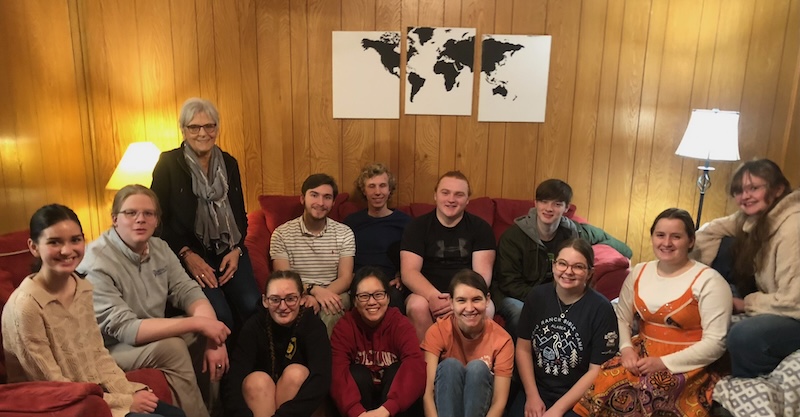
They got together and, along with faculty Dale Sloat and his wife Bonnie—former missionaries in Brazil—created the organization, where students like them could find support and community with people who understood them.
MuKappa’s presence at Taylor quickly grew. Partnering with Jim and Ruth Lauer of Wycliffe Bible Translators, the organization expanded beyond its birthplace. Now, MuKappa is a thriving ministry with over two dozen chapters in fifteen states.
Navigating a New Culture
Transitioning to college is hard enough for students who have lived in the U.S. their entire life. When you’re coming from a completely different culture, the process can be even more overwhelming.
Judy Keith, TCK Consultant with MuKappa, says that TCKs are sometimes referred to as “hidden immigrants.”
“They have American passports, they look like Americans, but they don’t feel American because they haven’t grown up here,” she explains. “They will often say, ‘I’m so afraid I won’t fit in. I’m afraid that I won’t make friends or that I won’t know the jokes.’”
They were all speaking English, and I didn’t know very many people who spoke English because I had lived overseas.
Abigail Newborn is a recent college graduate and an MK who spent most of her childhood in Senegal. “My first time coming back, I was four years old. And that was the most white people I’d ever seen,” she told Metro Voice. “They were all speaking English, and I didn’t know very many people who spoke English because I had lived overseas.”
Although Newborn was born in the United States and spent time here every four or five years, everything was still very different compared to the life she had lived. She shares that the biggest adjustment was going to American public high school in ninth grade after being homeschooled overseas.
That was the first time I ordered from a restaurant by myself
“That was the first time I ordered from a restaurant by myself,” Newborn recalls. “I’d never really gone out to do things without my family because, especially where I was living for that period of time, it wasn’t safe to do that. And that was kind of when I started to be a lot more independent because I could go places without my family safely.”
Being on the cross country team in high school, Newborn says, helped her adjust to living in the U.S. and gave her a sense of community. For some MKs, that community was found in college through involvement with MuKappa.
Finding Support on Campus
One student who has been impacted by MuKappa is Mariama Finch, a rising senior at John Brown University (JBU) in Arkansas.
Finch, an MK from Kenya (most recently), joined the college’s MuKappa chapter almost immediately during her freshman year, and soon became part of the club’s leadership. She shares that MuKappa gave her a place to belong.
“Through them, I found a community of people that I didn’t feel so out of place around,” she says. “I had people that understood me on such a deep level.”
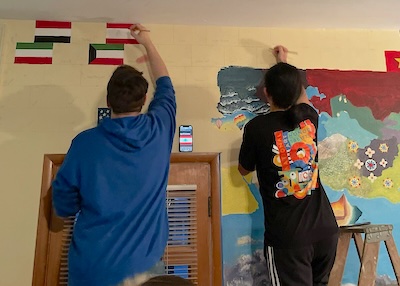
That connection she found through the club inspired her to take her involvement further. This fall, Finch will be the president of JBU’s MuKappa group.
She shares that her decision to step into a leadership role stemmed from a desire to help other people like her.
“I have an enormous heart for taking care of MKs,” Finch says. “I have heard countless stories of people being overwhelmed or scared of coming to college in the U.S. Yet things like MuKappa helped them to find people who understand their contexts.”
She hopes that, as president, she is able to help overwhelmed underclassmen find their footing and make friends who can relate to them.
The Importance of Shared Understanding
One thing MuKappa emphasizes is giving TCKs a place to freely talk about living overseas in a way that other students might not understand.
“It’s hard enough when you go to college,” Keith says. “But then to have to learn how to live in a culture that doesn’t understand where you grew up, it’s like you have to set that part of your life aside and you can’t even talk about it.”
Finch knows this feeling firsthand. “Because of all the experiences I had growing up and languages I knew, I felt weird talking about them around my American friends,” she shares. “I felt like I was bragging, or they just couldn’t understand some of the hard aspects of growing up overseas.”
I wanted people to know me for who I was and not where I was from.
Newborn expresses a similar sentiment. “In my first couple years of college, I didn’t hide that I was an MK by any means, but it’s not something that I brought up unprompted. I wanted people to know me for who I was and not where I was from.”
She shares that some non-MKs she knew sometimes saw her personality only through the lens of her background.
Despite occasional friction, Newborn made many friends in college, both MKs and non-MKs alike. “One of the people in my Welcome Week group was also an MK, and he and I connected pretty quickly,” she says. “He’s still one of my best friends today.”
Older MKs who Newborn befriended on campus made the transition easier. She found comfort in seeing that they were confident in who they were. “They didn’t feel pressure to change things about who they were. They were able to still be themselves and still let that influence from growing up overseas show in how they act. They just found the right people to be around.”
A Home Away from Home
While third-culture kids can find connection in many ways, MuKappa provides a space for it on campuses that have a chapter
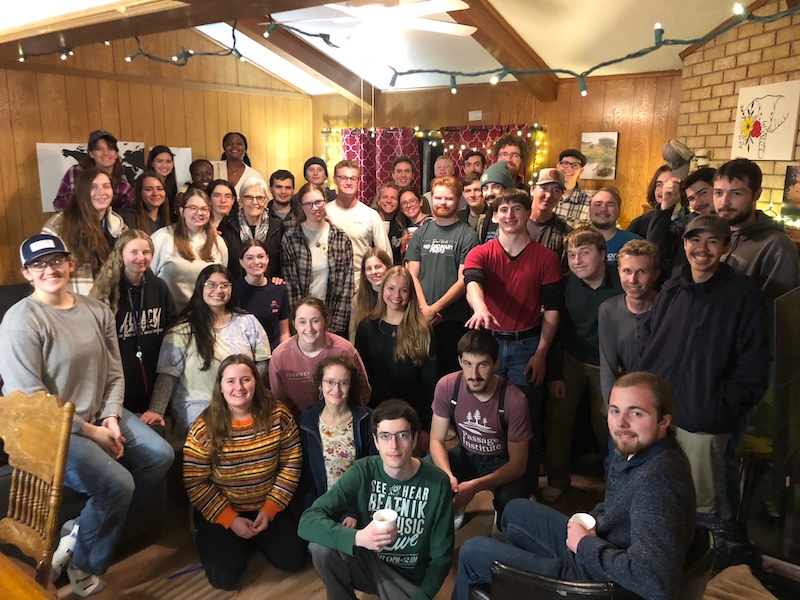
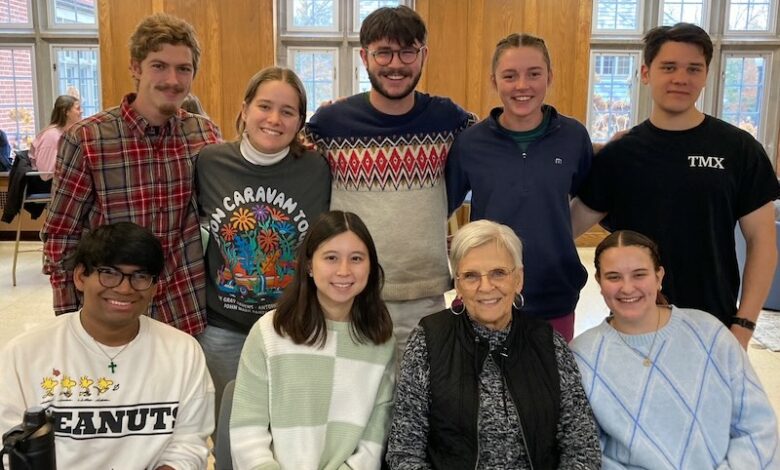
The activities for each group varies by campus. Some eat in the cafeteria together every Wednesday, have pizza nights on Fridays, host Super Bowl parties, or attend seminars and workshops on daily living or American culture.At JBU, MuKappa puts on two large events each year—a camping trip in the fall and a goat roast in the spring—and frequent smaller events. According to Finch, past activities have included worship nights, paint nights, prayer time, and a come-and-go hangout on the balcony of the university’s student center. She says that an average of 15 students participate in smaller meetings, while the larger ones see 30-40 attend.
While the specific activities look different from club to club, every MuKappa group shares the same goal: creating a place where TCKs don’t feel so alone in a new culture far from home.
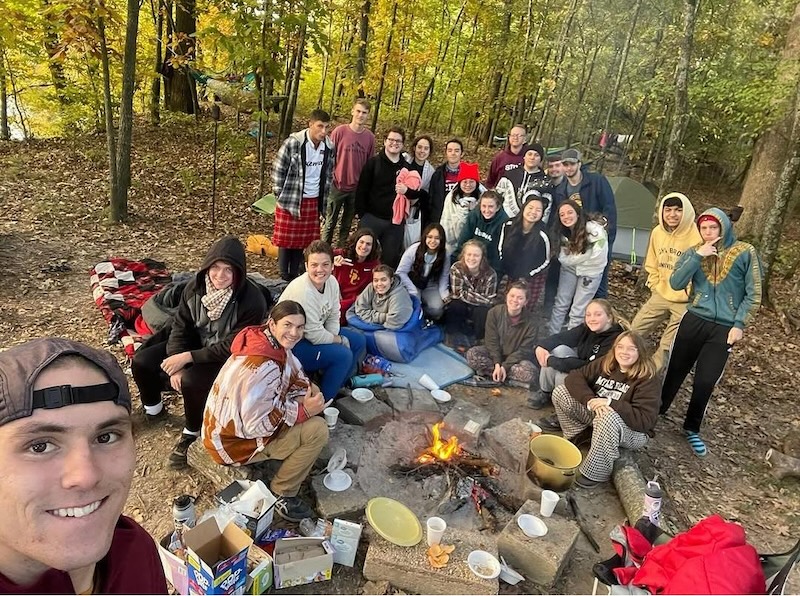
“So many kids will say, ‘this is home away from home for me,’” Keith says. “‘I’m so homesick, but I’m with others who are homesick. And I have a place to go for Thanksgiving dinner. I have a place to hang out. I have somebody that understands what I’m going through.’”
“God has used MuKappa groups in beautiful ways,” Finch echoes. “Lots of MKs have testimonies of MuKappa being a part of them finding a home or friend group at college.”
For third-culture kids who are coming to college in the U.S. for the first time and are unsure about joining MuKappa, Finch offers this advice:
“It may be strange and you may be unsure, and you probably won’t connect with every single person there, but try…There are people there that can help you find your people, and at least help you not feel so alone.”
–Lyra Thompson | Metro Voice
#MuKappa #ThirdCultureKids #MissionaryKids #ChristianCollege