

US Awards Faith-Based Groups $2 Billion for Global Relief
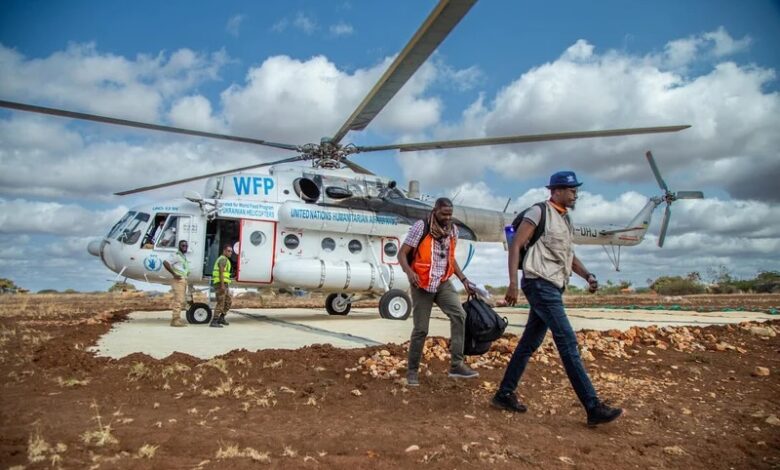
The Trump administration announced Thursday that the United States plans to provide nearly $2 billion in global health and humanitarian aid through faith-based and community organizations, putting Christian relief groups and church-supported hospitals in a larger role overseas.
The State Department called it the largest commitment of global health money to faith-based organizations in more than 20 years. About $1.4 billion is intended for health care, while $538 million would help organizations respond to wars, natural disasters, hunger and other emergencies.
Who gets the relief support?
World Vision, Compassion International and Samaritan’s Purse are the best-known organizations named in the announcement. They will work alongside local churches, hospitals and smaller religious charities already serving in affected communities.
World Vision and a group of local faith-based organizations could receive as much as $850 million over five years, provided Congress makes the money available. Another $570 million would reach religious and community hospitals through health agreements with participating countries.
The plans cover more than 20 countries. State officials expect the money to strengthen more than 2,500 hospitals, clinics and neighborhood health centers across 17 of them. It also would pay, train and equip more than 30,000 community health workers.
Religious organizations provide a sizable share of medical care in many developing countries. In some nations receiving American assistance, faith-based groups operate at least 40% of the available health facilities, according to the State Department.
The new agreements require at least 80% of the money to pay for care delivered to patients. State officials said previous awards sometimes directed only 35% to 40% of their funding to that work, with the rest consumed by management and other costs.
The $538 million set aside for disaster and humanitarian work would go to Samaritan’s Purse and a partnership led by World Vision and Compassion International. The department estimates the aid will reach 7 million people across 16 crises.
More than $100 million is expected to be ready immediately when earthquakes, storms and other natural disasters strike. Some of the money also will help religious organizations prepare for emergencies in 23 countries where disasters are common.
The announcement comes after the administration dismantled the U.S. Agency for International Development
The announcement comes after the administration dismantled the U.S. Agency for International Development and moved many of its responsibilities into the State Department. Administration officials accused USAID of wasting money, funding programs unrelated to urgent human needs and allowing too much assistance to disappear into layers of contractors and management. They pointed to evidence of USAID funds going to terrorist organizations like Hamas.
The State Department’s new Bureau of Disaster and Humanitarian Response began operating this year with about 200 employees and 12 regional hubs. It is expected to manage roughly $5.4 billion annually, concentrating heavily on food, medical care and emergency relief.0
Samaritan’s Purse, led by Franklin Graham, has worked in more than 100 countries. The evangelical Christian organization sends food, drinking water, shelter, aircraft and medical teams into war zones and disaster areas. Its emergency field hospitals have treated more than 65,000 patients, according to the ministry.
Samaritan’s Purse can move aircraft, personnel and portable hospitals within hours of a disaster.
Speed is one of its strengths. As Metro Voice regularly reports, Samaritan’s Purse can move aircraft, personnel and portable hospitals within hours of a disaster. After earthquakes struck Venezuela in June, the ministry opened a field hospital and began treating people from damaged communities.
The ministry also operates World Medical Mission, which places doctors and other medical workers in more than 45 remote hospitals and clinics. Its Operation Christmas Child program sends gift-filled shoeboxes to children around the world.
World Vision was founded by evangelist Bob Pierce in 1950 and works in more than 100 countries. The Christian organization reported helping 35.6 million people through 104 disaster responses in 2025. Its workers provide food, medical help, clean water and child protection while also staying for the slower work of rebuilding communities.
For the new award, World Vision will join with Compassion International and members of the Accord Network, an association of Christian relief organizations. Compassion has worked for more than 70 years through tens of thousands of churches in 29 countries.
Other religious charities already have received separate humanitarian awards.
Catholic Relief Services received more than $240 million in June for food, clean water, nutrition, health care and shelter. The award also included money for responding to Ebola in the Democratic Republic of Congo and for moving quickly when new disasters occur.
“CRS is grateful for the opportunity to reach more people affected by crisis, at a time when humanitarian needs far exceed available resources,” Jennifer Poidatz, the agency’s vice president for humanitarian response, said when the award was announced.
The funding also supports work in Ethiopia, Haiti, Nigeria and Sudan. Catholic Relief Services often works through local parishes and the worldwide Caritas network, giving its relief workers a way into communities where government services are limited or nonexistent.
The State Department committed another $100 million in July to Operation End Starvation, a public-private effort delivering therapeutic food to severely malnourished children. Private donors pledged $33 million toward the first phase.
A powerful vote of confidence
Will Moore, CEO of Operation End Starvation and the Eleanor Crook Foundation, called the government’s support “a powerful vote of confidence.”
The administration is betting that groups already running hospitals, feeding children and responding to disasters can do the job with fewer layers between Washington and the people needing help. If it works, the approach could become a model for American foreign aid after years of complaints about USAID’s spending and oversight.
Now comes the test. The money has to reach patients, hungry families and people who have lost their homes. If it does, Washington may have found a better way to help.
#FaithBasedAid #HumanitarianAid #SamaritansPurse
#WorldVision #CompassionInternational
–Dwight Widaman | And the Metro Voice AI news research assistant.