

Christianity Decline Prompts Back to the Bible Response
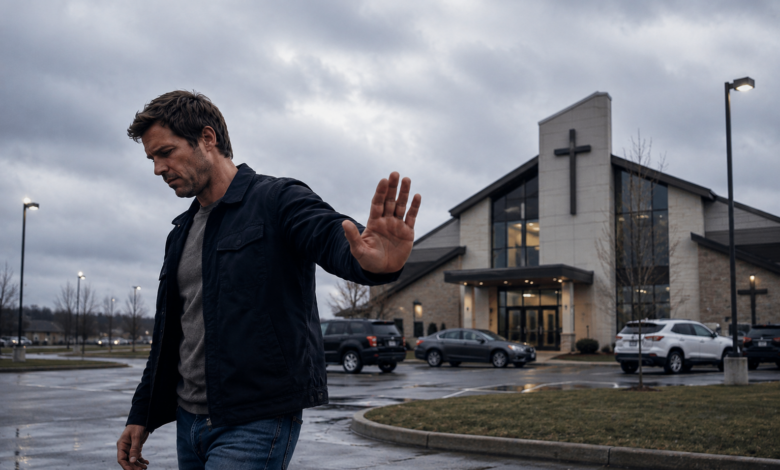
Christianity is losing more people who were raised in the faith than any other major world religion, a new Pew Research Center study found.
Nearly three in 10 U.S. adults no longer identify with their original faith tradition. Most of that movement is not lateral, such as Catholic to Protestant or Buddhist to Christian, but disaffiliation — people leaving Christianity for no religion at all. The one group gaining across country after country is the religiously unaffiliated, the so-called nones. Among younger adults, especially in the United States and Western Europe, the rate of leaving is accelerating.
Research from Back to the Bible reached the same conclusion. CEO Arnie Cole recommends seven steps for churches to take in coming years.
- First, change the scorecard. Stop measuring decisions, attendance and impressions as if they are outcomes. Start measuring scripture absorption, observable life change and reproducible discipleship. What we measure is what we build.
- Second, address moral striving with grace, explicitly and pastorally. A fifth of Americans think they are going to heaven because they tried to be good. They are not hostile to grace. Most have never had it cleanly distinguished from moral effort. Teach the difference between respect for Jesus and trust in Jesus, in plain, non-insider language.
- Third, build scripture engagement as a scaffolded habit. Prayer is happening. Bible reading mostly is not. Do not assume biblical literacy. Build stepwise pathways from prayer into scripture, with short reading plans, prayer-to-scripture transitions and accessible microteaching that meets people where they are.
- Fourth, pair every piece of media with a rapid relational pathway. Attention is not transformation. Content without community leaves the central deficit untouched. Every campaign, every podcast and every digital touchpoint should funnel toward conversation, mentorship, or a local group within days, not months.
- Fifth, recover mentorship as an intentional, intergenerational practice. Cole calls this the most urgent research finding. Closing that transmission gap is the highest-leverage move available to the American church.
- Sixth, reengage older men. They are the most spiritually exposed group, with the highest nihilism, the highest persistent uncertainty, the lowest church involvement and the lowest scripture engagement. Programming will not reach them. Patient, honest, presence-based pastoral relationship will.
- Seventh, equip discernment for the AI age. AI Jesus is already in the room, especially in the private, late-night moments of midlife men carrying questions they can’t bring to a small group. Teach scripture-based discernment as a precommitment, not as post-hoc damage control
“None of this is fast, and none of it is flashy,” Cole says. “But the legacy of the church we leave behind won’t be measured by how loud our metrics were. It’ll be measured by what kind of disciples we left for the generation coming up behind us.”
–Dwight Widaman